NAD+ Therapy: Benefits, Costs, and What the Science Actually Says
NAD therapy promises more energy and healthier aging. Here is what it actually costs, whether insurance covers it, and what the science really shows.
 By Juan Montes
Updated October 3, 2026 · 21 min read
By Juan Montes
Updated October 3, 2026 · 21 min read

Disclosure: PrescribedRX sells its own treatments, so we compete with some of the companies covered here, and we may earn affiliate commissions.
| MEDICAL DISCLAIMER This content is for informational purposes only and does not constitute medical advice. Consult a licensed physician before starting any hormone therapy or treatment. |
|---|
If you have started looking into NAD therapy, you have probably hit the same wall most people do: a price that swings from a couple hundred dollars to well over a thousand per session, and almost no straight answer on whether insurance will help. That uncertainty, more than the science itself, is usually what keeps people stuck, unable to decide whether it is worth trying or simply an expensive trend.
This guide is built to cut through that. It walks through what NAD+ is, how the treatment is actually delivered, what the research does and does not support, and the real numbers behind a typical course of care, including why your insurer almost certainly will not pick up the bill.
If you are weighing this option alongside other ways to feel sharper and more energized, it pairs naturally with The Complete Guide to TRT in 2026, since many people researching one are quietly researching the other.
Here is the honest framing up front. The underlying biology of this molecule is real and genuinely well studied. The marketing around the infusions, on the other hand, often runs far ahead of the human evidence. Keeping those two things apart is the entire purpose of this article.
If you have started looking into NAD therapy, you have probably hit the same wall most people do: a price that swings from a couple hundred dollars to well over a thousand per session, and almost no straight answer on whether insurance will help. That uncertainty, more than the science itself, is usually what keeps people stuck, unable to decide whether it is worth trying or simply an expensive trend.
This guide is built to cut through that. It walks through what NAD+ is, how the treatment is actually delivered, what the research does and does not support, and the real numbers behind a typical course of care, including why your insurer almost certainly will not pick up the bill.
If you are weighing this option alongside other ways to feel sharper and more energized, it pairs naturally with The Complete Guide to TRT in 2026, since many people researching one are quietly researching the other.
Here is the honest framing up front. The underlying biology of this molecule is real and genuinely well studied. The marketing around the infusions, on the other hand, often runs far ahead of the human evidence. Keeping those two things apart is the entire purpose of this article.
Why NAD Therapy Has Captured So Much Attention
A decade ago, almost no one outside of addiction medicine had heard of these infusions. Today they sit on the menu at longevity clinics, med spas, and mobile IV services in most major cities. The treatment was first described in the clinical literature back in 1961 as a tool for managing withdrawal, and it has since been rebranded for general wellness, energy, and healthy aging. It is now offered in thousands of boutique and hydration clinics worldwide.
The appeal is easy to understand. NAD+, short for nicotinamide adenine dinucleotide, is a coenzyme found in every cell of the body. It plays a central role in turning food into usable energy, supporting DNA repair, and keeping the cellular machinery running. Research suggests that levels of this coenzyme tend to decline as people age, and that decline has been linked, at least in laboratory and animal models, to many of the changes we associate with getting older.
That sets up a tidy story: if the molecule runs low with age, why not simply top it back up? It is an intuitive pitch, and it is the reason the category has grown so quickly. Whether refilling the tank through an infusion actually delivers the benefits people are hoping for is a very different question, and it is where the evidence starts to get thin.
What Is NAD+ and How the Treatment Works
NAD+ is not a drug or a hormone. It is a naturally occurring coenzyme that your cells already make and use constantly. Think of it as a shuttle that helps carry energy through the chemical reactions that power your metabolism. Without enough of it, cells are thought to repair themselves less efficiently and produce energy less smoothly, which is the mechanism researchers point to when they discuss its possible role in aging and fatigue.
The therapy itself comes in a few different forms, and the differences matter for both cost and what you can reasonably expect.
Intravenous (IV) infusions
This is the version most people picture. A provider delivers NAD+ directly into the bloodstream through a slow drip, typically over two to four hours. Going straight into the vein bypasses the digestive system, which is why clinics describe it as offering high bioavailability. The slow pace is deliberate, because infusing too quickly is associated with uncomfortable sensations like flushing, nausea, or chest tightness.
Intramuscular (IM) injections
Some clinics, and a growing number of telehealth services, offer NAD+ as an injection rather than a drip. Shots are faster and cheaper, and they can sometimes be self-administered at home after a provider consultation. The tradeoff is that a single injection delivers a smaller amount than a full infusion, so people who choose this route often use it more frequently.
Oral precursors (NR and NMN)
There is also a pill-based path that works differently. Instead of delivering NAD+ itself, oral supplements provide precursor compounds, most commonly nicotinamide riboside (NR), and nicotinamide mononucleotide (NMN), that the body uses as raw material to make its own NAD+. This is relevant because, as the next section explains, the human evidence is actually strongest for these oral precursors, not for the infusions that get the most attention.
One technical wrinkle is worth knowing before you spend anything. The NAD+ molecule is relatively large, and some researchers have questioned how efficiently it can cross into cells when delivered intact through an IV. Critics argue that much of an infusion may be broken down or remain outside the cells rather than being taken up directly. This is an unsettled scientific debate, not a closed case, but it is a fair point to raise with any provider who promises dramatic results.
NAD+ Benefits: What the Research Actually Supports

This is where honesty matters most, because the gap between what is marketed and what is proven is wide. The most reliable way to read the current science is to separate three things: what is well established, what is promising but preliminary, and what is mostly anecdotal.
What is well established
Two findings are on solid ground. First, NAD+ levels can be raised. Multiple randomized, placebo-controlled human trials have shown that oral NR and NMN reliably and meaningfully increase circulating NAD+ levels in healthy middle-aged and older adults, and that they are generally well tolerated. Second, this coenzyme is genuinely essential to metabolism. Nobody disputes its biological importance. The open question is whether raising the number on a lab test translates into how you feel or function.
What is promising but preliminary
Here the picture is more mixed. In animal studies, restoring NAD+ has produced striking effects, including improved mitochondrial function and, in some short-lived species, extended lifespan. Those results are exciting, but they have not consistently carried over to humans.
Several well-run human trials found that even when supplementation clearly raised NAD+ levels, measurable improvements in cognition, muscle performance, or vascular function were modest or absent over the study period. Some early research has hinted at possible benefits for blood pressure and arterial stiffness, which researchers have flagged as worth studying further rather than treating as settled.
The most commonly marketed NAD+ benefits, more energy, sharper focus, better mood, and slower aging, fall largely into this preliminary bucket. People frequently report feeling better, and that experience is real to them, but subjective improvement in an open-label setting is not the same as a confirmed effect. As of this writing, there are very few rigorous placebo-controlled trials of IV NAD+ specifically, and the ones that exist are small pilot studies rather than definitive evidence.
What is mostly anecdotal
Claims that these infusions treat addiction, reverse neurodegenerative disease, cure hangovers, or undo aging are not supported by strong human data, even though they are widely repeated in clinic marketing. The addiction-recovery use has the longest history, but standard, evidence-based therapies remain first-line care, and regulators have cautioned providers against presenting NAD+ as a treatment or cure for any specific condition. If a clinic guarantees a particular outcome, treat that as a marketing red flag rather than a medical claim.
A practical takeaway runs through all of this. Because the human evidence is strongest for oral precursors and weakest for dramatic disease claims, many clinicians view the infusions as a reasonable thing to try for general wellness if you can afford it and go in with realistic expectations, not as a proven intervention you should expect to transform your health.
| Thinking about a guided approach? If you would rather not piece this together on your own, it helps to see how a structured, provider-supervised program is set up before you commit. You can learn how guided NAD+ and peptide therapy programs work, including how lab review, dosing decisions, and follow-up monitoring fit together. |
NAD Infusion Cost: What You Can Expect to Pay
This is the question that sends most people searching in the first place, and the honest answer is that the NAD infusion cost varies more than almost any other elective wellness treatment. Pricing depends on the format, the dose level, the length of the session, the clinic type, your location, and any add-ons. Two sessions that sound identical can be priced very differently.
The ranges below reflect figures reported across United States clinics and telehealth providers during 2025 and 2026. They are approximate and change frequently, so treat them as a planning guide and confirm current pricing directly with any provider you are considering.
| Format | Typical reported range | Notes |
|---|---|---|
| Single IV infusion | $250 to $1,500 per session | Most fall around $300 to $800; higher-dose or mobile in-home sessions can reach $1,500 or more |
| NAD injection (IM) | $40 to $200 per shot | Lower cost and lower absorption than an IV; often sold as monthly packages |
| Loading-phase package | $1,500 to $6,000 | A bundle of several sessions over a few weeks; lowers the per-session price |
| Monthly maintenance | $300 to $1,200 per month | Spaced sessions after an initial loading phase, priced by dose level |
| At-home / telehealth | $105 to $350 per month | Self-administered injections shipped from a compounding pharmacy after a provider consult |
| Consultation and add-ons | $100 to $200 consult; $50 to $200 add-ons | Many clinics require a screening visit; vitamin or glutathione add-ons raise the total |
A few patterns are worth flagging. Sources broadly agree that a typical single infusion lands somewhere between $300 and $800, with major cities like New York and Los Angeles trending toward the higher end and smaller markets often lower. Where figures disagree, the spread usually reflects different dose levels and session lengths rather than a true discrepancy, so when you compare quotes, ask what is actually included rather than comparing headline prices alone.
The bigger budgeting reality is that infusions are rarely sold as a single visit. Most clinics recommend a loading phase of several sessions followed by ongoing maintenance, which is where the total NAD infusion cost climbs into the thousands over a year. By comparison, oral precursor supplements typically run a fraction of that annually, which is part of why some people start there or use them alongside occasional infusions.
Does Insurance Cover NAD Therapy?
For most people, this is the deciding factor, so here is the direct answer: in nearly all cases, no. Because NAD therapy is classified as an elective, wellness-based treatment rather than a medically necessary one, standard health insurance plans do not cover it. You should plan to pay out of pocket.
There are a couple of narrow exceptions worth checking. Some people are able to use a health savings account (HSA) or flexible spending account (FSA) to offset part of the cost, depending on their plan rules and whether a provider documents a qualifying medical reason. This is not guaranteed and varies from plan to plan, so confirm it with both your benefits administrator and the clinic before assuming anything. The associated lab work or an underlying diagnosed condition may sometimes be billable even when the infusion itself is not.
The takeaway is simple. Budget as if you are paying the full amount yourself, and treat any HSA or FSA reimbursement as a possible bonus rather than a plan.
Safety, Side Effects, and the Regulatory Picture
When administered by trained professionals using properly sourced material, the treatment is generally considered well tolerated, but it is not risk-free, and the regulatory context is important to understand.
Reported side effects are usually mild and tied to how quickly the infusion is delivered. They can include flushing, nausea, headache, lightheadedness, a feeling of chest tightness or pressure, and muscle discomfort during the drip. Slowing the infusion rate often eases these sensations, which is one reason sessions take so long. Discomfort or mild bruising at the IV site is also possible, as with any intravenous treatment.
On the regulatory side, there are no NAD+ infusion products that are FDA-approved to treat any specific disease or condition. The therapy operates in what regulators and legal commentators describe as a gray area, offered under wellness frameworks rather than formal medical approval. Notably, the oral precursor NR has been recognized by the FDA as Generally Recognized as Safe (GRAS) as an ingredient, which is a different and more established status than the infusions hold.
| An important safety note on sourcing In 2024 the FDA reminded compounders that food-grade NAD+ should not be used to make intravenous products, citing a high risk of contamination with microbes and endotoxins. The agency noted adverse-event reports following use of injectable NAD+, including severe chills, shaking, vomiting, and fatigue, with some cases requiring medical treatment. This is why it matters that any clinic you use sources sterile, pharmaceutical-grade material from a properly regulated compounding pharmacy. Contact PrescribedRX |
Certain people should be especially cautious. Anyone who is pregnant or breastfeeding, has a serious heart condition, has active or a history of cancer, or has significant kidney or liver issues should not pursue this treatment without explicit clearance from their own physician. A reputable provider will require a medical evaluation and informed consent that spells out the off-label, non-FDA-approved nature of the treatment before proceeding.
IV, Injection, or Oral: Which Format Makes Sense?
Because the three delivery methods differ so much in cost, convenience, and evidence, it helps to match the format to your situation rather than assuming the most expensive option is automatically the best.
An IV infusion delivers the largest amount in a single sitting and is the format most clinics build their protocols around. It is also the most time-consuming and the most expensive, and it currently has the least rigorous human evidence behind it. It tends to suit people who want a supervised, in-clinic experience and are comfortable with the price.
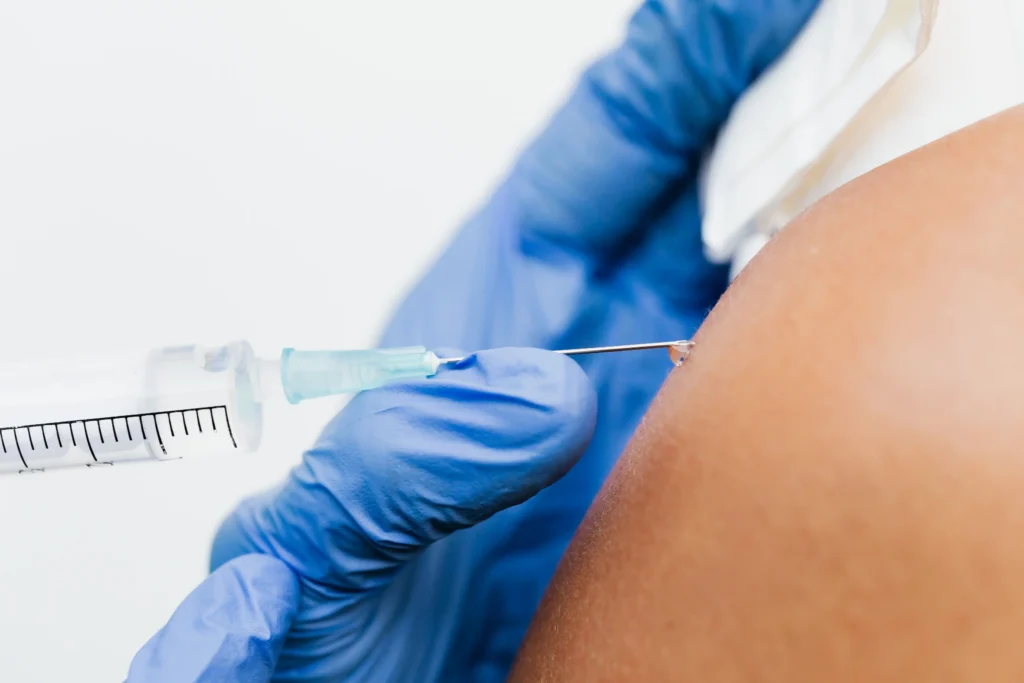
Intramuscular injections are cheaper, faster, and increasingly available through telehealth for at-home use. Each shot delivers less than a full drip, so people who choose this route often use it more frequently. For someone who wants the injectable approach without the in-clinic time and cost, this is the more accessible entry point.
Oral precursors are the least expensive by a wide margin and, importantly, carry the strongest human safety and absorption data. They work gradually and will not produce the immediate flooding effect clinics describe with an IV, but for many people focused on long-term support rather than an acute reset, they are a sensible foundation, used on their own or alongside occasional infusions.
There is no single right answer. The best choice depends on your goal, your budget, and how much the convenience or the supervised setting matters to you. A good provider should be willing to walk through all three honestly rather than steering you straight to the priciest one.
What to Look For and What to Ask a Provider
Because this category is loosely regulated and unevenly practiced, the clinic you choose matters at least as much as the treatment itself. A few questions can quickly separate a careful, medically supervised provider from a pop-up operation chasing a trend. Here is what is worth raising before you book:
- Who administers the infusion, and is a licensed medical professional on site for the entire session, not just to start the line?
- Where does the NAD+ come from, and is it pharmaceutical-grade material compounded by a licensed, regulated pharmacy rather than a food-grade source?
- What does a full course look like, and what is the total cost across the loading phase and maintenance, not just the price of one visit?
- What evidence does the clinic actually rely on, and how does it describe realistic expectations versus guaranteed outcomes?
- What screening or lab work happens first, and are there any health conditions that would rule me out?
- How will side effects be handled during the session, and what is the plan if I do not tolerate the infusion well?
A provider who welcomes these questions and answers them plainly is a good sign. One who deflects, over-promises, or pressures you toward an expensive package on the first visit is a reason to slow down. It is also fair to ask whether an oral precursor or a less intensive option might be a sensible starting point given your goals and budget.
Practical Next Steps Before You Book
If you have read this far and still want to explore the treatment, a measured approach tends to serve people better than diving into a large package on day one.
Get clear on your goal
Energy, recovery, focus, and general longevity support are the most common reasons people try this. Naming your specific goal helps you judge later whether it is working and makes your conversation with a provider far more productive. Vague hopes are hard to measure; concrete goals are not.
Address the basics first
It is worth being honest with yourself here, because the fundamentals are free and well proven. Sleep quality, regular strength and aerobic exercise, a reasonable diet, and stress management all influence how you feel and, in the case of exercise, are known to support the body’s own NAD+ recycling. No infusion compensates for chronically poor sleep. Sorting out the basics first can also help you tell whether an added treatment is actually doing anything.
Consider starting small
Given the cost and the state of the evidence, many people start with either a single trial infusion or an oral precursor before committing to a multi-session protocol. A single session lets you see how your body responds without a major financial commitment. If you feel a clear benefit, you can scale up from a position of knowledge rather than hope.
See where it fits in a bigger plan
These infusions are often just one piece of a broader optimization or longevity program. People exploring this frequently look at other guided options at the same time, including Sermorelin therapy and the wider landscape covered in this longevity and peptide treatment options. Looking at the full menu of medically supervised options, rather than fixating on one treatment, usually leads to a smarter decision.
Common Questions About NAD Therapy
How long does it take to feel anything?
Responses vary widely. Some people report a lift in energy or mental clarity within hours of an infusion, while others notice little right away, especially if they are reasonably healthy to begin with. Because much of the reported benefit is subjective and tends to build over a series of sessions, a single visit is often treated as a trial to see how your body responds rather than a guaranteed result.
How often would I need NAD infusions?
Most clinics suggest an initial loading phase of several sessions over a few weeks, followed by maintenance visits spaced out monthly or every few weeks. The exact rhythm depends on your goals and how you respond, and it should be set with a provider rather than dictated by a pre-sold package. Frequency is the single biggest driver of total cost, so it is worth clarifying before you commit.
Is NAD therapy the same as taking an NAD supplement?
Not quite. An oral supplement usually provides a precursor that your body converts into NAD+ over time, while an infusion delivers the molecule directly. The precursors actually have the stronger human evidence base for raising NAD+ levels safely, even though the drips get more attention. They are best understood as related tools with different costs, speeds, and levels of supporting research.
Can I do it at home?
Injectable forms can sometimes be self-administered at home after a provider consultation, with material shipped from a compounding pharmacy. Full IV infusions, by contrast, are generally done in a clinical setting or through a mobile service with a clinician present, because of the longer session time and the need for monitoring. That at-home convenience is one reason the injectable and telehealth routes have grown so quickly.
Is it worth the money?
That depends entirely on your goals, your budget, and your comfort with trying something whose most dramatic benefits are not yet proven in humans. For someone with realistic expectations and room in the budget, a trial can be a reasonable way to learn how they personally respond. For someone hoping for a guaranteed transformation, the current evidence does not support that expectation, and the basics of sleep, exercise, and nutrition remain the higher-value investment.
The Bottom Line on NAD Therapy
NAD therapy is a genuinely interesting treatment built on solid biology, wrapped in marketing that frequently outpaces the human evidence. The molecule matters, levels do appear to decline with age, and supplementation can reliably raise those levels.
What is not yet proven is that the dramatic, life-changing results promised in clinic advertising will follow for most people. The most defensible view is cautious optimism: it may be worth trying for general wellness if you have realistic expectations, sound sourcing, and a budget that can absorb an out-of-pocket cost that insurance will not cover.
If you do decide to explore it, the single most important move is to work with a licensed, medically supervised provider who is transparent about evidence, sourcing, and total cost. That is also the right lens for any of the related longevity and hormone options you might be considering alongside it. For people who want guided care rather than a one-off drip, PrescribedRX is one option worth considering, connecting you with licensed providers who can review your goals, run appropriate labs, and build a plan only if it is clinically appropriate for you.
| Ready to Explore Your Options the Right Way? Move from wondering to knowing. Speak with a licensed provider, review your labs, and find out whether a guided NAD+ or peptide plan actually fits your goals, on your timeline and with no pressure. Explore Peptide Therapy Options at PrescribedRX. Have questions first? Contact PrescribedRX to talk through your options before you commit to anything. |
About This Guide
This article was written and reviewed in accordance with our editorial standards. The information here is drawn from peer-reviewed research, published clinical trials, and current regulatory guidance, including FDA communications on compounded NAD+. Pricing figures are based on publicly available clinic and telehealth data as of June 2026 and are presented as approximate ranges that change over time. We are not affiliated with the clinics or studies referenced unless noted. Content is written and reviewed by Juan Montes, a nurse with emergency and critical care experience.
Injection and Nasal Spray: The Options Beyond an IV Drip
Most NAD+ writing covers intravenous infusion, because that is how clinics have historically delivered it. It is not the only route, and for most people it is not the most practical one.
- IV infusion. Delivered in a clinic over several hours. The highest-profile option, the most expensive, and the one that requires you to sit in a chair for an afternoon. Infusion-rate side effects (flushing, chest tightness, nausea) are largely a function of how quickly it goes in.
- Subcutaneous injection. Self-administered at home, typically a small volume on a set schedule. No clinic visit, considerably lower cost per dose, and no infusion-rate discomfort because it is not being pushed into a vein.
- Nasal spray. The lowest-friction option. No needles, no clinic. Absorption differs from injection and comparative data in humans is limited. Anyone claiming precise equivalence between nasal and intravenous NAD+ is going beyond the evidence.
Which route makes sense depends on what you are trying to achieve, your budget, and how much friction you will actually tolerate week after week. A protocol you abandon in month two is worse than a less intensive one you keep.
Regulatory Status: What NAD+ Actually Is, Legally
You should understand this before buying NAD+ from anyone, including us.
There is no FDA-approved NAD+ product
No NAD+ product (infusion, injection or nasal) is FDA-approved to treat any disease or condition. Every NAD+ preparation available by prescription in the United States is compounded, which makes it an unapproved drug.
Where it sits on the compounding lists
- 503A (traditional pharmacy compounding against an individual prescription): nicotinamide adenine dinucleotide is in Category 1 of FDA’s nominated bulk substances list, updated 14 May 2026.
- Category 2 (substances FDA has flagged as potentially presenting significant safety risks) does not include NAD+.
- 503B (outsourcing facilities producing in bulk): beta-nicotinamide adenine dinucleotide appears in Category 1 of the 503B nominations list.
And one enforcement action you should know about
Category 1 is a nomination, not a clearance, and FDA has acted despite it. In a warning letter dated 20 January 2026, FDA told an outsourcing facility that drug products compounded using NAD+ “are not eligible for the exemptions provided by section 503B.”
That letter concerned a 503B outsourcing facility, which is a different pathway from 503A pharmacy compounding against an individual prescription. The distinction is real and it matters. But it is a fair question to put to any provider selling you NAD+: which pathway does your pharmacy use, and can you tell me the pharmacy’s name? A provider who cannot answer that is one to be careful with.
Considering NAD+ therapy?
PrescribedRX offers NAD+ nasal spray and NAD+ injections by prescription. Answer a few questions about your health history and a clinician licensed in your state reviews whether treatment is appropriate for you. Compounded NAD+ is not FDA approved, and a clinician may decide it is not right for you.
References
- U.S. Food and Drug Administration. Bulk Drug Substances Nominated for Use in Compounding Under Section 503A. Updated 14 May 2026. FDA 503A nominations list (PDF)
- U.S. Food and Drug Administration. Bulk Drug Substances Nominated for Use in Compounding Under Section 503B. Updated 21 March 2025. FDA 503B nominations list (PDF)
- U.S. Food and Drug Administration. Certain Bulk Drug Substances for Use in Compounding That May Present Significant Safety Risks (Category 2). Updated 22 April 2026. FDA Category 2 list
- U.S. Food and Drug Administration. Warning Letter, GenoGenix LLC. 20 January 2026. FDA Warning Letter
- U.S. Food and Drug Administration. Bulk Drug Substances Used in Compounding Under Section 503B. Updated 7 January 2025. FDA
- U.S. Food and Drug Administration. Compounding Risk Alerts. Updated 30 June 2026. FDA
FDA compounding lists are revised regularly and each is cited above with its version date. Last reviewed August 2026.
More on NAD+
Detailed pages on the questions this guide covers in brief: NAD+ injection and what the human evidence covers · NAD+ IV vs injection vs nasal spray · NAD+ nasal spray and what the evidence does and does not show.
Treatments available through PrescribedRX
PrescribedRX offers NAD+ injections and NAD+ nasal spray by prescription, alongside our wider range of longevity treatments. Compounded NAD+ preparations are not FDA approved. Whether either is appropriate for you is determined by a clinician licensed in your state after reviewing your history.
Related reading
- The FDA peptide compounding status tracker, kept current
- NAD+ nasal spray
- NAD+ IV versus injection versus nasal spray
- Is NAD+ FDA approved?
- NAD+ injections and what the evidence covers
- NAD+ dosage and what determines it
- NAD+ side effects
- Glutathione injection versus nasal spray
- Sermorelin therapy guide
- BPC-157
Longevity plans from PrescribedRX
PrescribedRX prescribes longevity treatments through clinicians licensed in your state:
- Glutathione Injection. Administered by injection after a provider consultation.
- Glutathione Nasal Spray. A nasal alternative.
- NAD+ Injections. On a schedule set by your provider.
- NAD+ Nasal Spray. A nasal alternative.
- Sermorelin Injections. By prescription after consultation.
Every plan and its current price is on the plans page and the pricing page.
These are compounded preparations. Compounded drugs are not reviewed or approved by the FDA for safety or effectiveness, and treatment outcomes are not guaranteed.
This article is for general information. It is not medical advice and it is not a recommendation for any particular treatment. Whether a treatment is appropriate for you is a decision for a licensed clinician who has reviewed your health history and current medications.
About the author
Juan MontesJuan Montes writes and reviews PrescribedRX's clinical content, covering testosterone replacement therapy, men's sexual health, weight management and hair loss. He trained as a Professional Nurse at the Colombian Red Cross in Cali, Colombia, and has worked in healthcare since 2011, roughly six of those years in direct emergency and critical care nursing. He served as Head Nurse in Emergency…
More from Juan →This article is for information only and is not medical advice. Treatment is prescribed solely at the discretion of a licensed provider following a clinical evaluation.