

Disclosure: This page may contain affiliate or commercial relationships. | Last Updated: May 2026
| MEDICAL DISCLAIMER This content is for informational purposes only and does not constitute medical advice. Consult a licensed physician before starting any hormone therapy or treatment. |
|---|
You suspect your testosterone is low, you have read enough to take it seriously, and the last thing you want is to spend three months bouncing between a primary care office, a urology referral, and a pharmacy that may or may not stock what you need.
Telehealth has reshaped that path, and for many men in 2026, learning how to get TRT online is now the most realistic way to actually get evaluated and, if appropriate, treated.
That is the good news. The complicated news is that not every online clinic operates the same way, federal rules around telemedicine prescribing have shifted multiple times in the last few years, and the steps that genuinely matter (proper lab work, a real consultation, ongoing monitoring) sometimes get glossed over by clinics that prioritize speed over safety.
This guide walks through the full process step by step. You will see what an online TRT pathway actually looks like from intake to refill, where the federal and state rules sit right now, what the labs and the consultation should cover, what to look for in a quality provider, and what to do if the picture is more complicated than a single low number on a lab sheet.
- Why This Matters Now: The State of Online TRT in 2026
- How to Get TRT Online: The Step-by-Step Process
- Can You Get TRT Online? Who Qualifies and Who Does Not
- What to Look for in an Online TRT Provider
- What to Ask Your Provider During the Consultation
- What Online TRT Typically Costs
- Practical Next Steps
- Taking the Next Step
Why This Matters Now: The State of Online TRT in 2026
Two things have shifted in the last few years that make the online route both more accessible and a bit more nuanced. The first is patient demand. More men are recognizing the symptoms of low testosterone (persistent fatigue, low libido, brain fog, slow recovery, mood changes) and looking for evaluation without a long referral chain. The second is the regulatory environment, which is still in motion.
Testosterone is a Schedule III controlled substance in the United States. That classification matters because controlled substance prescribing through telemedicine is governed by the Ryan Haight Online Pharmacy Consumer Protection Act of 2008, which generally requires an in-person medical evaluation before a controlled substance can be prescribed remotely.
The Ryan Haight Online Pharmacy Consumer Protection Act of 2008 requires a telemedicine provider to perform an in-person medical evaluation of a patient prior to prescribing a controlled substance to that patient, unless an exception applies.
During the COVID-19 public health emergency, the DEA waived the in-person requirement to keep care flowing, and those flexibilities have since been extended several times. The DEA most recently extended telemedicine flexibilities for controlled substance prescribing into 2026 to allow time to finalize a permanent rule.
What this means in practical terms is that, as of 2026, many online TRT clinics can still legally evaluate and prescribe testosterone without an in-person visit, provided the consultation, evaluation, and online TRT prescription meet the standard of care and applicable state law. State-level rules can layer on top of the federal framework, which is why some clinics list states where they cannot operate.
That regulatory backdrop is part of why a proper online TRT process should never feel like an e-commerce checkout. A real evaluation involves a clinical history, lab work, a conversation with a licensed provider, and ongoing monitoring once treatment begins.
How to Get TRT Online: The Step-by-Step Process
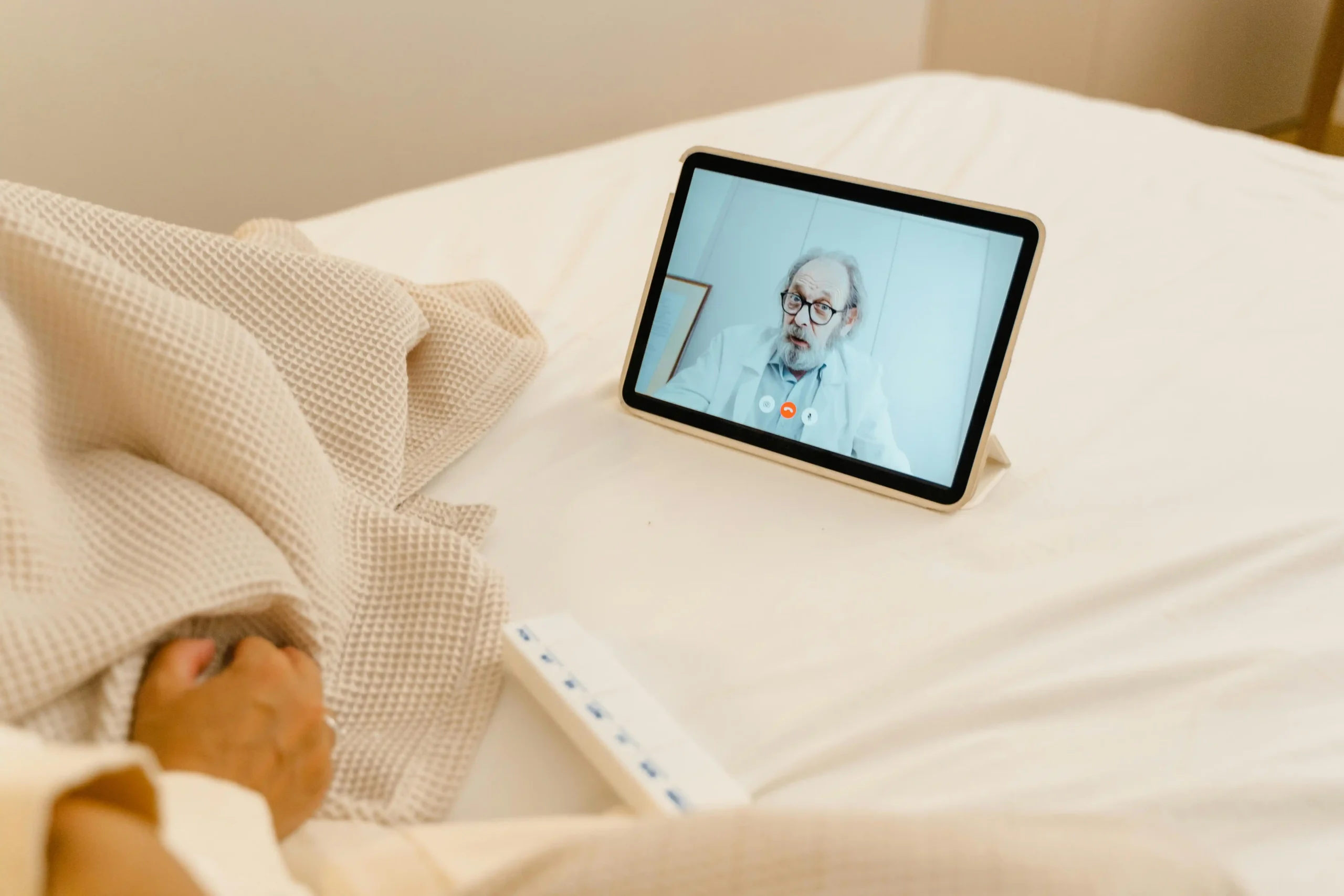
The exact flow varies a little between providers, but the core sequence has become fairly standard. Most reputable platforms share the same five steps, even if the names and timing differ.
Step 1: Complete an Online Health Intake
The first step is a digital intake form. Expect to share your symptoms, medical history, medications, family history, lifestyle factors (sleep, alcohol, training), and goals. The intake exists for two reasons. It builds the clinical record a provider needs to work with, and it screens for situations where TRT is not appropriate or where another condition needs to be ruled out first.
Be thorough and honest. Conditions like uncontrolled heart disease, certain prostate concerns, untreated severe sleep apnea, active prostate or breast cancer, a desire to preserve fertility in the near term, or unexplained elevated red blood cell counts can change whether testosterone therapy is the right path or whether a different approach should come first. A good intake captures all of this. A weak one asks five questions and pushes you to “checkout.”
Step 2: Get Your Bloodwork Done
Lab testing is the part of the process that genuinely matters most, and it is also where corner-cutting clinics tend to get exposed. The biggest red flag in online TRT is any provider willing to prescribe testosterone without comprehensive bloodwork. A symptom questionnaire alone is not enough to make a diagnosis.
What gets tested matters as much as the fact that testing is done at all. Major medical guidelines recommend a specific approach for confirming low testosterone:
- Two early-morning total testosterone tests, typically drawn between 7 and 10 a.m. on separate days, since levels are highest in the morning and fluctuate enough that a single reading can mislead.
- Free or bioavailable testosterone, especially when total testosterone falls near the lower end of the reference range or when sex hormone-binding globulin (SHBG) might be off due to obesity, diabetes, or other factors.
- LH and FSH to help determine whether the issue originates in the testes or in the pituitary signaling pathway.
- Estradiol, prolactin, hematocrit, PSA (for men in the age range where it is appropriate), thyroid function, and sometimes a comprehensive metabolic panel to rule out other contributing factors.
The Endocrine Society and similar bodies have long recommended this kind of layered approach. A diagnosis of hypogonadism typically requires at least two early morning blood tests showing low testosterone alongside symptoms consistent with low testosterone.
Most quality online clinics partner with a national lab network (commonly Labcorp or Quest) so you can complete the draw at a location near you. Some offer at-home phlebotomy or finger-prick kits, though traditional venous draws are still the gold standard for hormone work.
Step 3: Meet With a Licensed Provider via Video
Once your labs are back, you meet with a licensed clinician (an MD, DO, NP, or PA) over a secure video or phone consultation. The provider reviews your numbers in the context of your symptoms, medical history, and goals. This is the conversation where TRT gets contextualized rather than just prescribed.
A productive consultation usually covers: what your numbers actually mean given your age and the lab’s reference range, whether reversible factors (sleep, weight, alcohol, certain medications, untreated sleep apnea) might explain or contribute to the result, whether testosterone therapy is appropriate at all, what treatment formats might fit your situation, and what monitoring looks like over the next 6 to 12 months.
If a provider is willing to skip this step or to write a prescription based on a quick chat without ever discussing alternatives, that is a meaningful warning sign. The consultation is where individualized care happens, or does not.
Step 4: Receive Your Online TRT Prescription and Treatment
If treatment is clinically appropriate and you choose to proceed, the provider writes an online TRT prescription. Depending on the platform, the medication ships discreetly to your home from a licensed U.S. pharmacy, or the prescription gets sent to a local pharmacy of your choice. Common treatment formats your provider might discuss include:
- Injectable testosterone, which delivers steady levels and is widely used.
- Topical testosterone cream or gel, applied daily, which some men prefer for convenience and for avoiding needles.
- Enclomiphene, which is not testosterone itself but a medication that may stimulate the body’s own testosterone production. It is sometimes considered for men who want to preserve fertility or who prefer to support endogenous production rather than replace it.
Specific dosing, scheduling, and protocol decisions belong with your provider, not a website. What matters at this stage is that the online TRT prescription is filled by a properly licensed pharmacy (LegitScript-certified online clinics are a reasonable signal), that the medication arrives with clear instructions, and that you have a way to ask follow-up questions.
Step 5: Follow Up and Ongoing Monitoring
Treatment does not end at the first prescription. Hormone therapy needs ongoing monitoring to confirm that levels are responding appropriately, that side effects are caught early, and that your protocol still fits your needs over time.
Expect follow-up labs at predictable intervals (often around 6 to 12 weeks after starting and then periodically afterward) to track total and free testosterone, hematocrit, PSA where appropriate, and other markers.
Quality clinics build this into the subscription so you are not chasing labs on your own. Standard practice is to recheck testosterone, hematocrit, and other relevant markers in the months following dose optimization, then continue periodic monitoring while on therapy. If a provider hands you a prescription and you never hear from them again, that is the opposite of what TRT is supposed to look like.
If you would rather see how this looks end to end with one platform, PrescribedRX walks through the same five-step path with included lab testing, a licensed provider review, and ongoing follow-up built into the program. It is one of several legitimate options, and you can compare cost details in our TRT cost guide before deciding which approach fits.
Can You Get TRT Online? Who Qualifies and Who Does Not
Yes, in most U.S. states it is now possible to get TRT online with a valid prescription from a licensed provider. The qualifier matters: TRT is prescribed only when there is both a confirmed laboratory finding of low testosterone and clinical symptoms consistent with the condition. It is not prescribed for men with normal levels who simply want to feel “optimized,” and it is not approved for performance enhancement.
A licensed provider may decline to prescribe testosterone, or recommend a different path first, in situations such as:
- Untreated or active prostate cancer, breast cancer, or certain other malignancies.
- Severe untreated sleep apnea, since TRT can worsen it.
- Uncontrolled congestive heart failure or recent cardiovascular events.
- Elevated hematocrit (thick blood) that has not been evaluated.
- A man actively trying to conceive in the near term, since exogenous testosterone can suppress fertility. In some of those cases, providers discuss enclomiphene as an alternative.
- Borderline low numbers paired with reversible factors (poor sleep, significant weight gain, heavy alcohol use, certain medications) that may resolve symptoms without ongoing therapy.
A clinic that prescribes anyway, regardless of these factors, is not practicing in line with the standard of care. A clinic that walks you through them is doing the job correctly, even if the answer is “not yet” or “let us address X first.”
What to Look for in an Online TRT Provider

The online TRT space has grown quickly, and not every operator deserves trust. The criteria below separate clinics that practice real medicine from those that operate closer to a prescription mill.
Required Bloodwork (and a Real Lab Panel)
Any provider willing to prescribe testosterone without comprehensive lab work is a hard pass. The panel should include morning total testosterone (typically twice), free or bioavailable testosterone where appropriate, LH, FSH, hematocrit, PSA when appropriate, and supporting markers like estradiol and thyroid function. A clinic that runs only a single total testosterone test without checking free testosterone, estradiol, hematocrit, SHBG, or similar markers is missing fundamental pieces of the picture.
A Real Consultation With a Licensed Clinician
You should speak with an actual licensed provider before any online TRT prescription is written. The platform should disclose who is providing care (MDs, DOs, NPs, or PAs), licensed in your state, and ideally with experience in men’s health or hormone care. If the entire process happens through a chat box without ever connecting you to a clinician, treat that as a red flag.
Pharmacy and Compliance Signals
Look for a few external signals that a clinic is operating above board: LegitScript certification, prescriptions filled through licensed U.S. pharmacies, HIPAA-compliant patient portals, and clear documentation of who is prescribing. Clinics that ship medication without a verifiable U.S. pharmacy relationship, or that operate cash-only with no prescription on record, should be avoided.
Transparent Pricing
Reputable online TRT clinics publish their pricing clearly, including what is and is not bundled. Watch for hidden lab fees, surprise consultation charges, expensive add-ons (peptides, supplements, lipotropic shots) pushed during the visit, or large upfront “package” payments without an itemized breakdown. If the path to understanding what you will pay is not obvious from the website, expect billing surprises later.
Built-In Ongoing Monitoring
A monthly subscription that just ships medication is not the same as medical care. Ongoing care should include scheduled follow-up labs, the ability to message your provider, periodic reassessment, and dose adjustments based on results, not just on how you feel. If monitoring is an upsell rather than the default, the program is incomplete.
Insurance and Out-of-Pocket Options
Some online clinics accept insurance for parts of the process (especially the labs), some operate cash-pay, and many accept HSA or FSA. If insurance coverage is a priority for you, our online TRT that accepts insurance guide breaks down which platforms work with which payers and what is typically covered versus paid out of pocket.
What to Ask Your Provider During the Consultation
A good consultation runs both directions. The provider asks questions, and you do too. Walking in with a short list keeps the visit focused and gives you a way to gauge how thoughtful the provider is. Some questions worth raising:
- What does my total testosterone reading actually mean for someone in my age range, and where does it fall in your reference range?
- Should we also check free testosterone, given that a meaningful portion of total testosterone is bound to proteins and not biologically available?
- What is likely driving this? Is the issue at the level of the testes, the pituitary, or are there reversible contributors I should address first?
- Are there lifestyle, sleep, or medication factors that could be improving these numbers without long-term treatment?
- What treatment options would you consider for someone in my situation, and what are the tradeoffs of each in terms of monitoring, convenience, and cost?
- What follow-up labs will I need, and how often? When should we expect to reassess?
- What side effects should I watch for, and how should I reach you if something changes?
- How does fertility factor into the decision if I am thinking about that in the next few years?
A provider who welcomes these questions, walks through them patiently, and shows you the numbers is doing the job correctly. A provider who brushes off questions, refuses to share lab values in detail, or jumps straight to “let us start you on a standard dose” without context is not.
What Online TRT Typically Costs
Pricing varies, but online TRT in 2026 generally falls into a few familiar bands:
- Lab panels: roughly $60 to $250, depending on whether it is a basic or comprehensive panel and whether labs are bundled into the program. Some clinics include the initial lab in the membership.
- Initial consultation: included in many subscription models or charged separately at $50 to $200.
- Monthly medication and care: commonly $99 to $200 per month for the online TRT prescription, ongoing provider access, and shipping. Three-month plans typically lower the per-month figure.
- Follow-up labs: every few months once treatment is stable, often partly bundled or available at a member rate.
A more detailed breakdown by treatment format and platform is available in our TRT cost guide. As a rule of thumb, transparent pricing is itself a quality signal. If you cannot find clear numbers on a clinic’s website, that opacity tends to follow you into the billing relationship.
Practical Next Steps
If your symptoms have persisted for months and lifestyle factors do not fully explain them, here is a sensible path forward that does not jump straight into treatment.
Track Your Symptoms for Two to Four Weeks
Before any consultation, write down what you notice. Energy through the day, sleep quality, workout performance, mood, libido, focus. Patterns on paper are far more useful to a provider than a vague recollection in a 20-minute visit. If a partner or family member has noticed changes, their observations help too.
Address Reversible Factors First
Chronic sleep deprivation, untreated sleep apnea, significant weight gain, heavy alcohol use, certain medications, and prolonged stress can all suppress testosterone. Addressing these alongside (or before) any medical evaluation sometimes resolves symptoms without long-term treatment, and it makes any treatment that does follow more effective. This is not about willpower. It is about ruling out fixable contributors so the rest of the picture is easier to read.
Get Tested Properly
A morning blood draw between 7 and 10 a.m., ideally fasting, is the standard starting point. Plan to repeat the test on a separate morning to confirm the pattern. Many telehealth providers can order labs through a national network, which keeps the process simple. If you already have recent labs from your primary care physician, some online clinics will accept outside results.
Choose a Provider That Matches How You Want to Be Cared For
Some men want a high-touch, comprehensive program with regular check-ins. Others want a no-frills, lower-cost option once they are stable. Both are reasonable, but the choice should be deliberate. Compare a few platforms before committing. Our best TRT clinics roundup walks through how the major options stack up across pricing, monitoring, and treatment formats.
Decide Slowly
TRT is generally a long-term commitment once you start. There is no rush. A reputable clinic will not pressure you to begin treatment the same day you get your results. Take the time to ask questions, understand the tradeoffs, and confirm that the path makes sense for your situation.
Taking the Next Step
Learning how to get TRT online has gotten meaningfully easier in 2026, but it has not gotten easier to do well. The clinics that practice real medicine still require lab work, real consultations, and real monitoring.
The ones that skip those steps are not actually saving you time. They are just deferring the cost to later, in the form of side effects nobody caught, dosing nobody adjusted, and questions nobody answered.
You can move from wondering to knowing without waiting six weeks for a referral. The path is straightforward when you know what to look for: a thorough intake, comprehensive bloodwork, a licensed clinician who actually talks to you, a properly filled online TRT prescription if treatment is appropriate, and a monitoring plan that does not end at month one.
If you would like a structured starting point, PrescribedRX offers a TRT consultation that follows that exact path: included lab testing, a licensed provider review, a personalized plan if clinically appropriate, and ongoing follow-up built into the program. It is a practical way to get from “I think something is off” to actual answers, without committing to anything beyond finding out where your numbers stand.