Signs of Low Testosterone: 14 Symptoms Men Ignore (And What to Do)
Discover 14 signs of low testosterone men often dismiss as aging or stress. Learn what symptoms to track and what to ask your provider.
 By Juan Montes
Updated October 3, 2026 · 12 min read
By Juan Montes
Updated October 3, 2026 · 12 min read

Disclosure: PrescribedRX sells its own treatments, so we compete with some of the companies covered here, and we may earn affiliate commissions.
| MEDICAL DISCLAIMER This content is for informational purposes only and does not constitute medical advice. Consult a licensed physician before starting any hormone therapy or treatment. |
|---|
You’re tired in a way sleep doesn’t fix. Your workouts feel harder, your motivation is flat, and something about your body just feels off, but you can’t name it. These patterns show up quietly, and many men dismiss them as stress, aging, or a rough stretch at work. The signs of low testosterone can look exactly like that, which is why so many men live with symptoms for years before anyone connects the dots.
Testosterone influences energy, muscle, mood, sleep, libido, and cognitive sharpness. When levels drift below the healthy range, the effects often show up as a slow decline rather than a sudden change. That gradual trajectory is part of what makes the condition so easy to miss. You don’t wake up one morning feeling different. You wake up one morning and realize you’ve felt different for a year.
This guide walks through 14 common symptoms of low testosterone, what they may indicate, and what steps you can take if several apply to you.
Why Recognizing the Signs of Low Testosterone Matters
Testosterone levels in men naturally decline with age. Research suggests total testosterone drops roughly 1 to 2 percent per year after age 30, though the rate and experience vary significantly from one person to the next. For some men, the decline is barely noticeable and never produces meaningful symptoms. For others, it produces symptoms that interfere with daily life, relationships, and physical performance well before they would have expected.
Low testosterone is also showing up in younger men more often than it used to. Contributing factors may include chronic stress, poor sleep, rising rates of obesity, certain medications, and environmental exposures. Men in their 20s and 30s with persistent low T symptoms should not assume they’re too young for a hormonal cause to be worth investigating.
The challenge is that low testosterone, sometimes called low T or hypogonadism, shares symptoms with many other conditions. Fatigue can signal thyroid issues, sleep apnea, depression, iron deficiency, or nutrient gaps. Low libido can stem from relationship stress, medication side effects, or cardiovascular concerns. Brain fog can come from sleep problems, anxiety, or dozens of other sources.
That overlap is part of why self-diagnosis is unreliable and why a blood test, interpreted alongside your symptoms, is the only way to confirm a hormonal cause.
Still, knowing the pattern helps. When several low T symptoms show up together and persist for months, that cluster is worth taking seriously, especially if lifestyle factors don’t fully explain them. The sections below break down the most common signs men tend to dismiss, grouped into physical, sexual, and mood-related categories.
Considering TRT? Get a plan built around your labs.
Take the 2-minute assessment with a licensed PrescribedRX provider. No pressure, no obligation.
Start Your TRT AssessmentExplore plans: Injectable Testosterone · Testosterone Cream · Enclomiphene
Physical Signs of Low Testosterone
Physical symptoms are often the first clues men notice, though they are also the easiest to attribute to aging, a busy schedule, or an inconsistent routine. These are the ones that tend to get dismissed the longest.
1. Persistent fatigue that sleep doesn’t resolve
This is not ordinary tiredness. Men with low testosterone often describe a flat, heavy fatigue that lingers through weekends, vacations, and good sleep stretches.
If you wake up tired after a full night of rest and feel drained by mid-afternoon, and this has been true for months, hormones are worth ruling out. The distinction many men draw is between being tired from doing too much and being tired for no clear reason. The second pattern is the one that tends to point toward a biological cause.
2. Loss of muscle mass or strength
Testosterone plays a direct role in building and maintaining lean muscle. When levels drop, many men notice their usual workouts produce fewer results, or that strength they had a year ago feels harder to access.
Some men also see reduced muscle definition even without major changes to diet or training. For men who lift consistently, unexplained plateaus or regression despite good programming can be an early signal worth investigating.
3. Increased body fat, especially around the midsection
Lower testosterone is often associated with shifts in body composition. Visceral fat around the abdomen can increase, and some men develop increased fat in the chest area, a condition called gynecomastia. These changes can happen gradually, which is why they are easy to miss until photos or clothes make them obvious.
4. Reduced bone density
Testosterone supports bone health, and chronically low levels may contribute to weakened bones over time. This symptom is largely invisible until it shows up as a fracture or is caught on a bone density scan, which is why men with multiple other symptoms of low testosterone are sometimes screened for it.
5. Hair thinning or loss of body hair
Beard growth, chest hair, and body hair all respond to androgen levels. Some men with low T notice thinning body hair or a slower-growing beard. Male pattern baldness has a genetic component and is not a reliable indicator on its own, but a change in body hair patterns can be part of the picture.
Sexual and Reproductive Symptoms of Low Testosterone
Sexual symptoms are often the signs men are most reluctant to discuss, even with a doctor. They are also among the most strongly linked to hormonal causes when they persist.
6. Low libido
A gradual loss of interest in sex, in the absence of relationship issues or major life stress, is one of the more telling symptoms of low testosterone. This is not about occasional off days. It’s a sustained drop in desire that feels different from your baseline, sometimes over months or years.
Many men describe it as a kind of indifference rather than active avoidance, which is part of why it can be hard to flag until a partner brings it up.
7. Erectile difficulties
Testosterone isn’t the only driver of erectile function. Blood flow, nerve health, and psychological factors all play significant roles. That said, difficulty achieving or maintaining erections, particularly when paired with low libido, can be part of a low T picture and is worth discussing with a provider.
8. Fewer spontaneous erections
Morning erections and spontaneous erections throughout the day are often reduced when testosterone levels are low. Men who used to experience these regularly and now rarely do may want to flag this with their doctor, even if performance itself feels unchanged.
9. Reduced semen volume
Testosterone contributes to semen production. A noticeable decrease in ejaculate volume, especially when combined with other symptoms, can be another signal worth investigating.
Mood and Cognitive Symptoms of Low Testosterone
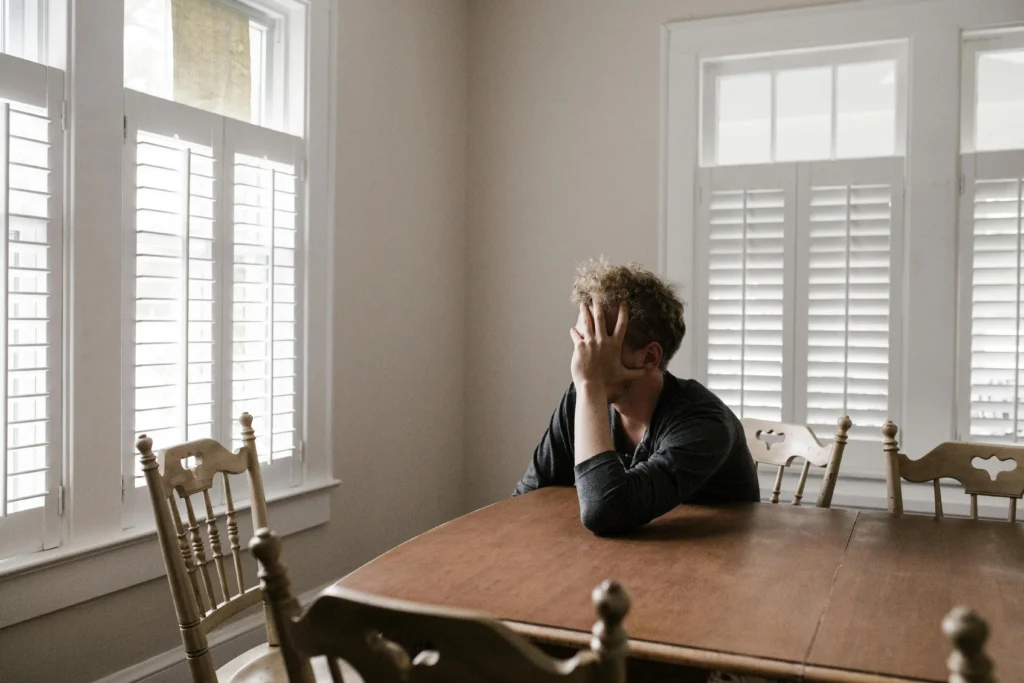
These are the symptoms men most often chalk up to stress, work, or just getting older. They are also the ones that can quietly erode quality of life the longest before anyone thinks to test hormones.
10. Low mood or mild depression
Testosterone influences neurotransmitters tied to mood regulation. Some men with low T experience persistent low mood, a sense of flatness, or mild depressive symptoms that don’t fit their usual personality.
This overlaps heavily with clinical depression and other mental health conditions, which is why a provider evaluation is important rather than assuming one cause. It’s also worth noting that depression and low testosterone can coexist, and treating one without considering the other sometimes leaves men feeling only partially better.
11. Irritability and shorter temper
A fuse that feels shorter than usual, frustration that flares over small things, or a general sense of being on edge can accompany hormonal shifts. Partners, family members, or close friends are sometimes the first to notice this change.
12. Difficulty concentrating or brain fog
Trouble focusing, feeling mentally slower, or struggling to hold details in memory can all appear with low testosterone. Research suggests testosterone supports certain aspects of cognitive function, though the relationship is complex and not fully understood.
13. Reduced motivation and drive
This is the symptom men often struggle to put into words. Projects you’d normally tackle feel heavy. Goals that used to energize you feel abstract. Ambition has not disappeared, but the push behind it is muted. Many men describe this as the symptom that finally prompted them to look into testing.
14. Disrupted sleep
Low testosterone is associated with disrupted sleep patterns, including insomnia, frequent waking, and less restorative sleep. The relationship runs in both directions: poor sleep itself can lower testosterone, and low testosterone can worsen sleep quality.
Men with persistent sleep issues and other low T symptoms may want to rule out obstructive sleep apnea as well, since it’s common, undertreated, and has its own independent effect on testosterone production. A sleep study is often a reasonable early step alongside any hormonal evaluation.
Wondering if TRT is right for you?
Start Your TRT AssessmentWhen Several Signs of Low Testosterone Show Up Together
Any one of these symptoms, taken alone, can have many explanations. The pattern matters more than any single item. If you recognize five or more of these symptoms and they’ve persisted for at least several months, a blood test is the next reasonable step.
Most providers will order a morning total testosterone test, since levels fluctuate throughout the day and are highest in the morning. A single reading is usually not enough to make a diagnosis. Providers often repeat the test on a separate morning to confirm consistency before making treatment decisions.
Depending on results, your provider may also check free testosterone, which measures the portion of testosterone that’s biologically available to your tissues. Other useful markers can include LH and FSH, which help identify whether the issue originates in the testes or in the pituitary signaling pathway, along with prolactin, estradiol, thyroid function, and a complete blood count.
Building a complete picture matters because the right next step depends heavily on why your levels are low, not just the fact that they are.
What to Ask Your Provider
Walking into an appointment prepared can make a real difference, especially if your current doctor doesn’t specialize in hormone health. Men routinely report being told their levels are normal without being shown the actual numbers, or being dismissed because their total testosterone falls within an extremely wide reference range.
Here are questions worth raising so you can have a more productive conversation:
- What does my total testosterone number mean for someone my age, and where does it fall in the reference range?
- Should we also check free testosterone, since a significant portion of total T is bound to proteins and unavailable to tissues?
- What’s driving the low level, testicular function, pituitary signaling, or something else entirely?
- Are there reversible causes we should address first, like sleep apnea, obesity, certain medications, or chronic stress?
- If treatment is appropriate, what are my options, and what are the tradeoffs of each approach in terms of convenience, cost, and monitoring?
- What follow-up labs will be needed if I start treatment, and how often should I expect to be monitored?
- What side effects should I watch for, and when should I contact you about them?
A good provider will welcome these questions and walk through them patiently. If your current doctor brushes off your symptoms without ordering labs, or interprets results in isolation without considering how you feel, seeking a second opinion from a men’s health specialist or endocrinologist is reasonable.
Hormone care is a specialty, and primary care providers vary widely in how much they’ve trained in it.
Practical Next Steps

If you’ve recognized yourself in several of the symptoms above, here’s a sensible path forward that doesn’t jump straight to treatment.
Track your symptoms
For two to four weeks, note which symptoms appear, how often, and how severe they feel on a simple scale. Patterns on paper are more useful to a provider than a vague recollection in an exam room. Include sleep quality, energy through the day, mood, workout performance, and sexual function.
If you have a partner or close family member who has noticed changes in you, their observations can be useful context as well.
Rule out lifestyle factors first
Chronic sleep deprivation, heavy alcohol use, significant weight gain, and prolonged stress can all suppress testosterone production. Addressing these before or alongside medical evaluation sometimes resolves symptoms without the need for treatment.
Even modest improvements in sleep consistency, strength training frequency, protein intake, and stress management can move the needle for some men. Obesity in particular has a strong relationship with lower testosterone, and weight loss often raises levels meaningfully. This isn’t about willpower or blame, it’s about ruling out fixable contributors before committing to a long-term treatment.
Get tested
A morning blood draw is the standard starting point, ideally between 7 and 10 a.m. when levels peak. Many insurance plans cover testosterone testing when symptoms are documented in your chart.
Telehealth providers can also order labs and interpret results, which is helpful if your schedule or access to specialists is limited. Expect to repeat the test at least once to confirm a pattern before any treatment decisions are made.
Consider your treatment options carefully
Treatment isn’t automatically the right answer for every man with borderline low numbers. For some, addressing sleep, weight, or an underlying condition produces enough improvement that treatment isn’t needed.
For others, TRT under medical supervision can be an appropriate long-term approach. The decision is genuinely individual and should be made with a provider who knows your full health picture.
Related reading
More on testosterone therapy:
- TRT guide
- Low testosterone men over 40
- Normal testosterone levels
- Foods that boost testosterone
- Exercises boost testosterone
- Best testosterone boosters
- TRT cost
- Cheapest online TRT clinics
- Online TRT clinic insurance
Plans from PrescribedRX
PrescribedRX prescribes through clinicians licensed in your state. Plans in this category:
Every plan and its current price is on the plans page and the pricing page.
Taking the Next Step
Low testosterone is common, underdiagnosed, and treatable in many cases, but the first step is taking your symptoms seriously enough to investigate. The signs covered here are the ones men most often dismiss as stress or aging, and they are the ones most commonly tied to hormonal causes when they cluster together and persist over months rather than weeks.
You don’t have to guess. Testing is straightforward, and a qualified provider can help you interpret the results in the context of your full health picture, not just a number on a lab sheet. If treatment turns out to be appropriate, there are more accessible paths to care than there were even a few years ago, including telehealth options that can fit around a working schedule. And if treatment isn’t the right path for you, knowing that is valuable too, because it frees you to focus on what will actually make a difference.
If you’d like a structured starting point, book a TRT consultation with PrescribedRX to get labs, a provider evaluation, and a plan if clinically appropriate. It’s a practical way to move from wondering to knowing, and it doesn’t commit you to anything beyond finding out where your numbers actually stand.
| Ready to Get Answers? Book a TRT consultation with a licensed PrescribedRX provider. Review your labs, understand your options, and make a decision that is right for you, on your timeline. Book a TRT Consultation with PrescribedRX |
|---|
| About This Guide This article was written and reviewed in accordance with our editorial standards. Provider information is based on publicly available data as of May 2026. We are not affiliated with the clinics reviewed unless noted. Content is written and reviewed by Juan Montes, a nurse with emergency and critical care experience. |
|---|
Considering TRT? Get a plan built around your labs.
Take the 2-minute assessment with a licensed PrescribedRX provider. No pressure, no obligation.
Start Your TRT AssessmentExplore plans: Injectable Testosterone · Testosterone Cream · Enclomiphene
More on testosterone levels
- At-home testosterone testing — what a diagnosis actually requires.
- Average testosterone levels by age — the data by decade.
- Free testosterone vs total — when a normal total hides a low free level.
This article is for general information. It is not medical advice and it is not a recommendation for any particular treatment. Whether a treatment is appropriate for you is a decision for a licensed clinician who has reviewed your health history and current medications.
About the author
Juan MontesJuan Montes writes and reviews PrescribedRX's clinical content, covering testosterone replacement therapy, men's sexual health, weight management and hair loss. He trained as a Professional Nurse at the Colombian Red Cross in Cali, Colombia, and has worked in healthcare since 2011, roughly six of those years in direct emergency and critical care nursing. He served as Head Nurse in Emergency…
More from Juan →This article is for information only and is not medical advice. Treatment is prescribed solely at the discretion of a licensed provider following a clinical evaluation.