

Disclosure: This page may contain affiliate or commercial relationships.
| MEDICAL DISCLAIMER This content is for informational purposes only and does not constitute medical advice. Consult a licensed physician before starting any hormone therapy or treatment. |
|---|
You have been feeling off for a while. Low energy, difficulty concentrating, reduced motivation, a noticeable drop in physical performance. If you are a man in your 30s, 40s, or beyond and you have started researching what is going on, testosterone replacement therapy may have come up.
We created this TRT guide to cut through the noise. Testosterone replacement therapy is one of the most searched and least clearly explained topics in men’s health. By the time you finish reading, you will understand what TRT is, who it may be appropriate for, how the process generally works, what it costs, and how to find a qualified provider.
- What Is Testosterone Replacement Therapy?
- The Biological Mechanisms: How Testosterone Works
- What Causes Low Testosterone? (Root Cause Breakdown)
- Who May Be a Candidate for Testosterone Replacement Therapy?
- How Does Testosterone Replacement Therapy Work?
- How TRT Benefits Men
- Types of TRT Services and Providers
- How to Get TRT Online: What the Process Looks Like
- Testosterone Replacement Therapy Cost: What to Expect
- What Happens When You Stop TRT?
- Frequently Asked Questions About Testosterone Replacement Therapy
- Making an Informed Decision About Testosterone Replacement Therapy
- Related Resources from PrescribedRX
What Is Testosterone Replacement Therapy?
Testosterone replacement therapy (TRT) is a medically supervised treatment designed to restore testosterone levels in men whose bodies are no longer producing enough of the hormone on their own. It is not a performance-enhancing drug in the athletic sense, and it is not a supplement or shortcut. It is a prescribed medical intervention, used under physician oversight, when lab results and symptoms indicate a clinical deficiency.
Testosterone is the primary male sex hormone. It plays a role in a wide range of biological processes, including muscle mass maintenance, bone density, red blood cell production, mood regulation, libido, and energy metabolism. When levels fall below a healthy range, a condition sometimes referred to as hypogonadism or low testosterone, men may begin to experience symptoms that affect their quality of life.
It is also worth clarifying what TRT is not. It is not a cure for aging, and it does not guarantee any specific result. Research suggests it may help some men feel better when a genuine deficiency is confirmed, but individual responses vary. Outcomes are never guaranteed, and TRT is not appropriate for everyone.
| Key Term: Hypogonadism Hypogonadism refers to the medical condition in which the body produces insufficient testosterone. It can be primary (originating in the testes) or secondary (related to the brain’s signaling hormones). A diagnosis requires blood tests and a clinical evaluation, not symptoms alone. |
|---|
The Biological Mechanisms: How Testosterone Works
To properly understand TRT, it helps to first look at how testosterone is naturally produced and regulated in the body. This process is controlled by a tightly coordinated system known as the Hypothalamic-Pituitary-Gonadal Axis (HPG Axis).
The Signaling Chain
Think of the HPG axis as a communication loop between the brain and the testes.
It starts in the hypothalamus, a region in the brain that acts as the control centre for hormone regulation. The hypothalamus releases Gonadotropin-Releasing Hormone (GnRH) in pulses.
GnRH then signals the pituitary gland (often called the “master gland”)to release Luteinizing Hormone (LH).
LH travels through the bloodstream to the testes, where it stimulates specialised cells (Leydig cells) to produce testosterone.
Once testosterone levels rise, the body uses a feedback loop to regulate production. High testosterone levels signal the brain to reduce GnRH and LH output, keeping everything balanced. When levels drop, the process ramps back up again.
This system is delicate. Disruptions at any point (brain, pituitary, or testes) can lead to low testosterone levels.
Primary vs. Secondary Hypogonadism
Low testosterone, clinically referred to as Hypogonadism, is not always caused by the same issue. Understanding the root cause is key to proper treatment.
Primary Hypogonadism (Testicular Failure)
This occurs when the testes themselves are not functioning properly. Even if the brain sends the correct hormonal signals (GnRH and LH), the testes fail to produce adequate testosterone.
Common causes include:
- Age-related decline
- Injury or trauma to the testes
- Certain medical treatments (e.g., chemotherapy)
- Genetic conditions
Secondary Hypogonadism (Central Hypogonadism)
In this case, the problem originates in the brain: either the hypothalamus or the pituitary gland. The testes may be fully capable of producing testosterone, but they are not receiving the proper signals.
Potential causes include:
- Chronic stress
- Obesity
- Pituitary disorders
- Use of certain medications (e.g., opioids or steroids)
This distinction matters because treatment approaches can differ. TRT may be appropriate in many cases, but addressing the underlying cause is just as important.
Free vs. Total Testosterone
When evaluating testosterone levels, lab results often include both total and free testosterone. Understanding the difference is essential.
Total Testosterone
This measures all testosterone circulating in the bloodstream. However, most of it is not readily usable by the body.
A large portion is bound to proteins, primarily:
- Sex Hormone Binding Globulin (SHBG)
- Albumin
When testosterone is bound to SHBG, it is tightly held and biologically inactive. Albumin-bound testosterone is more loosely attached but still not fully available.
Free Testosterone
This is the small fraction of testosterone that is not bound to proteins. It is the active form that can enter cells and exert effects such as:
- Supporting muscle growth
- Maintaining libido
- Regulating mood and energy
In many cases, patients may have “normal” total testosterone levels but still experience symptoms of low testosterone due to low free testosterone, which is often influenced by high SHBG levels.
Why This Matters for TRT
Understanding these mechanisms helps explain why TRT is not a one-size-fits-all solution. Proper diagnosis requires:
- Identifying where the breakdown in the HPG axis occurs
- Measuring both total and free testosterone
- Considering other hormones like LH and SHBG
This more complete picture allows for a treatment plan that is tailored, precise, and more effective in addressing symptoms, and not just lab numbers.
What Causes Low Testosterone? (Root Cause Breakdown)

Low testosterone does not occur in isolation. It is usually the result of underlying biological, lifestyle, or medical factors that disrupt the body’s hormone production system, particularly the Hypothalamic-Pituitary-Gonadal Axis.
Understanding these root causes is essential before considering treatment, as some cases can be improved without long-term hormone therapy.
Lifestyle Factors
Modern lifestyle habits play a significant role in declining testosterone levels, especially in men under 50.
1. Poor Sleep
Testosterone production follows a daily rhythm, with peak levels occurring during sleep. Chronic sleep deprivation, particularly getting fewer than 5–6 hours per night, has been shown to significantly reduce testosterone levels. Disrupted sleep patterns, such as shift work or frequent waking, can further impair this process.
2. Chronic Stress and Cortisol
Stress triggers the release of cortisol, a hormone that directly interferes with testosterone production. When cortisol remains elevated over long periods, it suppresses signals from the brain that stimulate testosterone synthesis. This creates a hormonal environment where energy is prioritised for survival rather than reproduction or recovery.
3. Obesity and Insulin Resistance
Excess body fat, particularly around the abdomen, is strongly associated with lower testosterone levels. Fat tissue contains an enzyme called aromatase, which converts testosterone into estrogen. At the same time, insulin resistance (often linked to poor diet and inactivity) can further disrupt hormonal balance and reduce testosterone production.
4. Alcohol Consumption
Regular or excessive alcohol intake can impair testosterone production by affecting both the testes and the signaling pathways in the brain. Over time, this can contribute to a measurable decline in hormone levels, especially when combined with other lifestyle factors.
Medical Conditions
In many cases, low testosterone is not just a lifestyle issue but is linked to underlying health conditions.
1. Type 2 Diabetes
Men with diabetes are significantly more likely to have low testosterone. Insulin resistance and chronic inflammation can interfere with normal hormone signaling, reducing production over time.
2. Sleep Apnea
Obstructive sleep apnea is a commonly overlooked contributor. Repeated interruptions in breathing during sleep reduce oxygen levels and disrupt deep sleep cycles, both of which are critical for testosterone production.
3. Thyroid Disorders
The thyroid plays a key role in regulating metabolism and hormonal balance. Conditions such as hypothyroidism can indirectly lower testosterone by affecting energy regulation and overall endocrine function.
Age vs. Pathology
Testosterone naturally declines with age, typically at a rate of about 1% per year after age 30. This gradual reduction is considered part of normal aging and does not automatically require treatment.
However, there is a distinction between age-related decline and clinical deficiency. A man in his 40s or 50s may have lower testosterone than he did in his 20s, but still fall within a healthy range. Treatment is generally only considered when levels drop below clinically accepted thresholds and symptoms begin to affect daily life.
In other words, low testosterone is not defined by age alone. It is defined by a combination of lab results, symptoms, and overall health context.
Medications and External Factors
Certain medications can interfere with testosterone production, sometimes significantly.
1. Opioids
Long-term opioid use is strongly associated with suppressed testosterone levels. These medications can disrupt signaling from the brain, reducing the release of hormones needed to stimulate testosterone production.
2. Selective Serotonin Reuptake Inhibitors (SSRIs)
Commonly prescribed for depression and anxiety, SSRIs may contribute to hormonal imbalances in some men. While the exact mechanism is still being studied, there is evidence suggesting an impact on libido and testosterone-related pathways.
3. Anabolic Steroids
Ironically, the use of anabolic steroids, which is often associated with increasing muscle mass, can lead to long-term testosterone suppression. External testosterone shuts down the body’s natural production through feedback inhibition, and recovery can be slow or incomplete after discontinuation.
Why Identifying the Cause Matters
Low testosterone is not a one-size-fits-all condition. Two men with the same lab result may have completely different underlying causes. One may be dealing with poor sleep and high stress, while another may have a medical condition affecting hormone production.
This distinction is critical. In some cases, addressing lifestyle or treating an underlying condition may improve testosterone levels without the need for TRT. In others, hormone therapy may be appropriate, but only after a thorough evaluation.
A responsible approach focuses not just on raising testosterone levels, but on understanding why they are low in the first place.
Who May Be a Candidate for Testosterone Replacement Therapy?

Not every man who feels tired or has a low libido is a candidate for TRT. Testosterone naturally declines with age, roughly 1% per year after age 30, and some degree of change is a normal part of getting older. The question is not simply whether testosterone is declining, but whether it has fallen to a level that is clinically significant and is contributing to your symptoms.
A qualified provider will typically consider TRT when all of the following conditions apply:
- Blood tests confirm low testosterone levels (many providers use thresholds in the 300 to 350 ng/dL range, though this varies by guideline and clinical context)
- Symptoms are consistent with low testosterone and are affecting daily functioning
- Other potential causes of those symptoms, including thyroid issues, sleep apnea, depression, and nutritional deficiencies, have been evaluated or ruled out
- The patient understands the potential benefits, limitations, and risks involved
Symptoms That May Suggest Low Testosterone
Symptoms associated with low testosterone can overlap with many other conditions, which is why clinical testing is essential before any treatment decisions are made. Common symptoms that prompt men to seek evaluation include:
- Persistent fatigue or low energy, even with adequate sleep
- Reduced sex drive or libido
- Difficulty building or maintaining muscle mass
- Increased body fat, particularly around the midsection
- Mood changes such as irritability, low motivation, or feelings of depression
- Difficulty concentrating or mental fogginess
- Reduced bone density, often detected incidentally through imaging
- Erectile difficulties
None of these symptoms, on their own, confirm low testosterone. A blood panel is always the necessary starting point.
Who Should Talk to a Doctor Before Considering TRT?
Certain individuals should have a detailed conversation with a physician before moving forward with TRT. This includes men with any of the following:
- A history of prostate cancer or elevated PSA levels
- Untreated sleep apnea, which TRT may worsen in some cases
- A desire for future biological fertility, as TRT can suppress sperm production
- Active cardiovascular disease or a complex cardiac history
- Polycythemia or a history of blood clotting disorders
This list is not exhaustive. A licensed physician is the appropriate person to evaluate whether TRT is suitable for your individual situation.
How Does Testosterone Replacement Therapy Work?
TRT works by supplementing the body’s natural testosterone with an external source of the hormone, typically derived synthetically.
When administered, this additional testosterone enters the bloodstream, signals the brain and body that circulating levels are adequate, and may help restore the hormonal environment to a healthier range.
The process generally begins with a comprehensive evaluation: a detailed health history, a discussion of symptoms, and baseline blood work. If a provider determines that TRT is appropriate, they will recommend a delivery method and monitor your levels and health markers throughout treatment.
TRT is not a one-time fix. It is an ongoing medical treatment that typically requires regular follow-up lab work, provider check-ins, and dosage adjustments over time.
The goal is not to push testosterone to the highest possible level. It is to restore it to a range that is appropriate for your age and overall health profile.
Common Delivery Methods
Testosterone can be delivered to the body through several different methods. Each has practical tradeoffs, and the right choice depends on your lifestyle, preferences, and what your provider recommends.
- Injections (intramuscular or subcutaneous): One of the most common delivery methods. Testosterone is injected into muscle or fatty tissue, typically on a weekly or bi-weekly schedule. Some men prefer the predictability of injections; others find the schedule inconvenient.
- Topical gels and creams: Applied to the skin daily, these allow testosterone to absorb transdermally. They offer consistent dosing but require care to avoid transferring the hormone to others through skin contact.
- Transdermal patches: Worn on the skin and changed daily, patches deliver a steady dose over 24 hours. Skin irritation is a reported drawback for some users.
- Subcutaneous pellets: Small pellets implanted under the skin every 3 to 6 months by a provider. They dissolve slowly, releasing testosterone over time, which some men prefer for the lower frequency of intervention.
- Oral or buccal formulations: Less commonly used in the United States, though oral testosterone undecanoate has received FDA approval. Buccal tablets dissolve against the gum.
Your provider will explain the options most relevant to your situation. This guide does not include dosage information or specific injection protocols, as those decisions fall within prescribing territory and must be individualized by a licensed clinician.
What to Expect During Ongoing Treatment
Once treatment begins, regular monitoring is an essential part of responsible TRT management. Providers typically check testosterone levels, hematocrit (red blood cell volume), estradiol (an estrogen converted from testosterone), prostate-specific antigen (PSA), and other markers on a routine schedule.
Research suggests that some men begin to notice changes in energy and mood within weeks, while others report a longer adjustment period. Physical changes, including shifts in body composition, may take several months to become apparent. Responses are highly individual, and a good provider will work with you over time rather than make promises about specific timelines or outcomes.
How TRT Benefits Men
TRT is often discussed in broad or exaggerated terms. In reality, its effects are more measured and depend heavily on the individual. Some research suggests that when TRT is prescribed to men with a clinically confirmed deficiency, it may help improve certain physical, mental, and sexual health outcomes.
However, results vary, and expectations should remain grounded in evidence rather than hype.
Physical Benefits
One of the more consistent findings in clinical research is TRT’s impact on body composition.
Lean Muscle Mass
Testosterone plays a direct role in protein synthesis, which supports muscle development. Studies suggest that men undergoing TRT may experience increases in lean body mass, particularly when combined with resistance training. This does not mean automatic muscle gain, but rather an improved physiological environment for building and maintaining muscle.
Fat Distribution
Low testosterone is associated with increased fat accumulation, especially around the abdomen. TRT may help reduce fat mass over time, though changes are typically gradual and influenced by diet and activity levels. It is not a weight-loss treatment, but it may support healthier body composition when paired with lifestyle changes.
Bone Density
Testosterone contributes to bone mineral density. Men with long-standing low testosterone are at higher risk for reduced bone strength and fractures. Research suggests that TRT may improve bone density over time, particularly in older men or those with clinically low levels.
Mental and Cognitive Effects
The relationship between testosterone and mental well-being is complex, but there is growing evidence of a connection.
Mood and Emotional Stability
Some men with low testosterone report irritability, low mood, or reduced sense of well-being. Research suggests that TRT may help improve mood in men with confirmed deficiency, though it is not a treatment for clinical depression. The effects tend to be subtle and develop over time rather than immediately.
Motivation and Energy
Fatigue is one of the most commonly reported symptoms of low testosterone. Some studies indicate that TRT may improve perceived energy levels and motivation, particularly in men who started with significantly low levels. That said, energy is influenced by many factors, including sleep, stress, and overall health.
Cognitive Function and Brain Fog
There is ongoing research into testosterone’s role in cognitive performance. Some evidence suggests improvements in focus, mental clarity, and reduced “brain fog” in men undergoing TRT, but findings are mixed. These effects, when present, are generally modest.
Sexual Health
Sexual function is one of the areas where TRT may have a more noticeable impact, particularly in men with clear hormonal deficiency.
Libido (Sex Drive)
Testosterone is closely linked to sexual desire. Research consistently shows that TRT may improve libido in men with low testosterone levels. This is often one of the earlier changes reported, though the degree of improvement varies.
Erectile Function
While testosterone plays a role in sexual function, erectile dysfunction is often multifactorial. TRT may improve erectile function in some men, particularly when low testosterone is a contributing factor. However, it is not a guaranteed solution, and other underlying causes (such as vascular health) must be considered.
Setting Realistic Expectations
It is important to understand that TRT is not a performance enhancer or a rapid transformation tool. Research suggests that benefits tend to develop gradually over weeks to months, and not all men experience the same outcomes.
The goal of TRT is not to push testosterone to unusually high levels, but to restore it to a range that supports normal physiological function. When used appropriately and monitored by a qualified provider, it may help improve quality of life for men with a confirmed deficiency, but it is not a universal solution.
Types of TRT Services and Providers
If you have decided to explore testosterone replacement therapy, your next step is finding the right type of provider. The landscape has changed significantly in recent years, with both traditional in-person care and online TRT clinics now widely available.
Traditional In-Person Care
Primary care physicians, internists, urologists, and endocrinologists have long been the standard point of access for TRT. In-person care allows for a thorough physical examination alongside lab work and may be preferable for men with complex health histories or those who prefer face-to-face consultations.
One potential limitation is that some general practitioners are less experienced with hormone optimization and may take a conservative approach to prescribing. Referrals to specialists can also add time and cost to the process.
Online TRT Clinics
A growing number of men now access testosterone replacement therapy through telehealth platforms and online clinics. These services typically involve:
- An initial online consultation with a licensed provider
- At-home or lab-ordered blood testing
- A review of results and, if appropriate, a prescription
- Medication delivered directly to your home
Online TRT services can reduce friction for men who live in areas with limited specialist access, have demanding schedules, or prefer the convenience of remote care. Quality varies considerably across platforms, and it is important to choose services that require proper lab work and licensed physician oversight, not just a quick questionnaire.
For a detailed comparison of available options, see PrescribedRX’s guide to the best TRT clinics, which evaluates providers across transparency, pricing, and clinical protocols.
How to Evaluate Any TRT Provider
Whether you are considering an in-person clinic or an online service, use these criteria as a starting point:
- Do they require blood work before prescribing? Any legitimate provider will.
- Is there a licensed physician involved in your care, not just a nurse practitioner or an algorithm?
- Do they offer ongoing monitoring and follow-up consultations?
- Are their pricing and services clearly disclosed upfront?
- Do they take a conservative, evidence-informed approach, or do they push aggressive protocols?
| Not sure where to start? PrescribedRX connects you with a licensed provider who can evaluate your situation, review your labs, and walk you through your options. No pressure, no guesswork. Book a TRT Consultation with PrescribedRX |
|---|
How to Get TRT Online: What the Process Looks Like
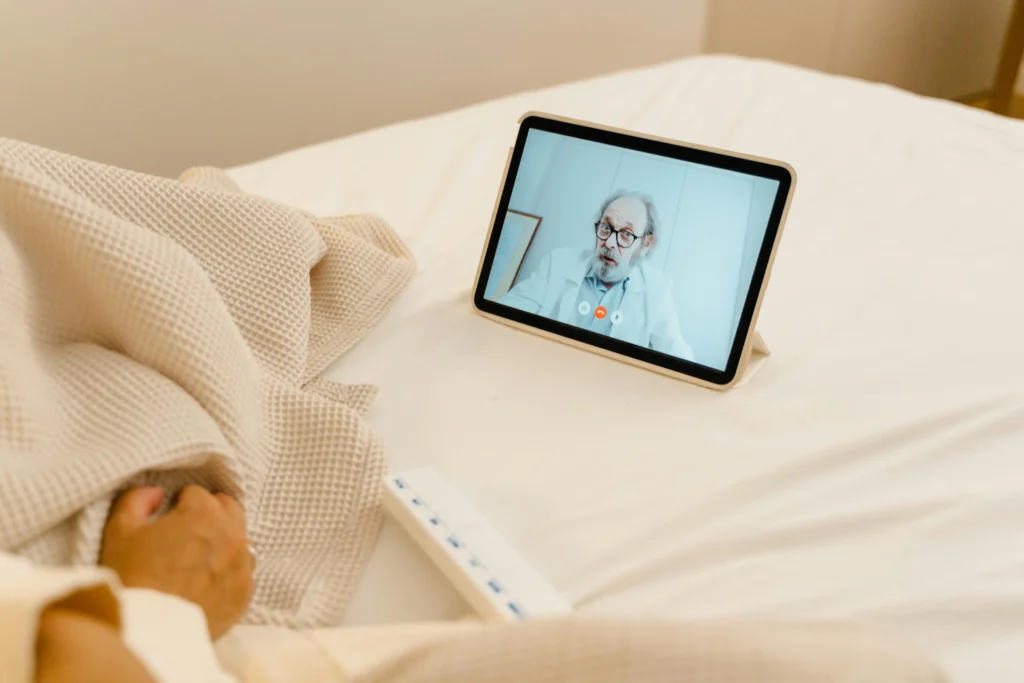
The telehealth pathway for accessing testosterone replacement therapy has become more accessible than it was five years ago, but the process still involves several meaningful steps. Understanding what to expect can help you prepare and avoid services that cut corners.
- Step 1: Initial consultation. You will complete a health intake form and speak or video-chat with a licensed provider who will review your symptoms, health history, and current medications.
- Step 2: Blood work. A reputable online TRT clinic will either send you to a local lab or provide an at-home testing kit. Lab results are the foundation of any prescribing decision.
- Step 3: Provider review. A physician reviews your results. If your testosterone levels and overall health profile suggest TRT may be appropriate, they will discuss your options with you.
- Step 4: Prescription and delivery. If you and your provider agree to move forward, your prescription is sent to a compounding or retail pharmacy and medication is typically shipped to your home.
- Step 5: Ongoing monitoring. Lab work and check-ins continue on a regular schedule. Good providers stay involved in your care over the long term.
For a detailed walkthrough of each step, visit PrescribedRX’s guide on how to get TRT online.
Testosterone Replacement Therapy Cost: What to Expect
Cost is one of the most common questions men have when researching TRT, and the answer varies considerably depending on your delivery method, whether you are using insurance, and which provider you choose.
Typical Cost Ranges
The following figures are general estimates that can vary significantly based on location, pharmacy, and provider fees:
- Online TRT clinics: Monthly costs can range from roughly $100 to $300 or more, depending on the platform and treatment plan
- Injections (testosterone cypionate or enanthate): Often the most cost-effective delivery method; medication cost alone may range from $30 to $80 per month, with provider and monitoring fees in addition
- Gels and creams: Brand-name topical products can run $300 to $500 per month; compounded alternatives are typically less expensive
- Pellet therapy: In-office insertion every few months can cost $400 to $800 per procedure, depending on the provider
- Lab work: Baseline and ongoing blood panels can add $100 to $300 or more per draw if not covered by insurance
Does Insurance Cover TRT?
Some insurance plans do cover testosterone replacement therapy, particularly when there is a clinical diagnosis of hypogonadism supported by lab results. Coverage is inconsistent and varies by insurer, plan type, and delivery method. Brand-name products are less likely to be covered than generic or compounded alternatives.
Online TRT clinics often operate outside of the traditional insurance billing structure, meaning you may pay out of pocket even if you have coverage elsewhere. Always ask about insurance compatibility before committing to a platform.
For a deeper breakdown of what to expect financially, see PrescribedRX’s TRT cost guide, which covers pricing by delivery method, insurance considerations, and how to compare providers on value.
What Happens When You Stop TRT?
One of the most common questions about testosterone replacement therapy is what happens if you decide to stop. While TRT can be effective when properly prescribed and monitored, it is not a temporary boost. It directly affects the body’s natural hormone production, particularly through the Hypothalamic-Pituitary-Gonadal Axis.
Suppression of Natural Testosterone Production
When you begin TRT, your body detects the increased levels of circulating testosterone. In response, the brain reduces its own signaling. Specifically, the hypothalamus decreases production of Gonadotropin-Releasing Hormone (GnRH), which leads to reduced output of Luteinizing Hormone (LH) from the pituitary gland.
Over time, this signaling pathway becomes suppressed. The testes receive fewer instructions to produce testosterone, and natural production slows or may temporarily stop altogether. This is a normal physiological response to external hormone supplementation.
Return to Baseline Levels
After stopping TRT, the body does not immediately resume normal testosterone production. The recovery process varies from person to person and depends on several factors, including:
- Duration of TRT use
- Dosage and delivery method
- Age and baseline hormone levels
- Overall health and underlying cause of low testosterone
In many cases, testosterone levels gradually return to their pre-treatment baseline. However, this process can take weeks to months, and in some instances, recovery may be incomplete, particularly in older individuals or those with long-standing hypogonadism.
Possible Symptoms After Stopping
As testosterone levels decline post-TRT, some men experience a return of the symptoms that led them to treatment in the first place. These may include:
- Fatigue or low energy
- Reduced libido
- Mood changes or irritability
- Decreased muscle mass or strength
- Difficulty concentrating
The intensity of these symptoms varies. Some men notice only mild changes, while others find the transition more challenging, especially if their natural production takes longer to recover.
Post-Cycle Therapy (PCT): A Brief Note
In some cases, physicians may discuss strategies to help stimulate the body’s natural testosterone production after stopping TRT. This is sometimes referred to as post-cycle therapy (PCT). It may involve medications designed to encourage the brain to resume normal hormone signaling.
It is important to note that this approach is not universal and should only be considered under medical supervision. Self-managing hormone recovery without guidance can lead to further imbalances.
The Importance of Medical Guidance
Stopping TRT should never be a sudden or uninformed decision. Because of its effects on the body’s hormonal system, discontinuation is best managed with the support of a qualified healthcare provider.
A physician can help:
- Monitor hormone levels during the transition
- Manage potential symptoms
- Determine whether recovery is progressing as expected
For some men, TRT becomes a long-term treatment. For others, it may not be necessary indefinitely. The key is understanding that stopping TRT is not simply a matter of discontinuing medication. It is a process that requires careful planning, realistic expectations, and proper medical oversight.
Frequently Asked Questions About Testosterone Replacement Therapy
What is TRT and how is it different from steroids?
Testosterone replacement therapy uses prescription testosterone to restore hormone levels in men who have a clinically confirmed deficiency. This is distinct from the non-medical use of anabolic steroids, in which individuals use testosterone or synthetic androgens at doses designed to build muscle far beyond normal physiological ranges, typically without a medical diagnosis. TRT is supervised by a physician, uses doses intended to restore normal levels, and involves ongoing monitoring. Anabolic steroid use is typically unsupervised, involves much higher doses, and carries significantly greater health risks.
How do I know if I have low testosterone?
The only reliable way to know is through a blood test. Symptoms alone, such as fatigue, low libido, or mood changes, can be caused by many different conditions and are not sufficient for a diagnosis. A morning testosterone test is typically the starting point, since levels tend to be highest earlier in the day. Your provider may also test luteinizing hormone (LH), follicle-stimulating hormone (FSH), and other markers to understand the full picture.
How long does TRT take to work?
Research suggests that different aspects of testosterone’s effects emerge at different rates. Some men report improvements in energy and mood within a few weeks. Changes in body composition, including muscle gain and fat loss, may take three to six months or longer to become apparent. Individual variation is significant, and outcomes are not predictable. A qualified provider will help you set realistic expectations during your consultation.
Is TRT a lifetime commitment?
Not necessarily, though many men who begin TRT continue it long term. Stopping TRT typically results in testosterone returning to pre-treatment levels, since exogenous testosterone suppresses the body’s natural production signal. Some men, particularly those whose low testosterone has an identifiable and treatable underlying cause, may not need to stay on treatment indefinitely. This is an important topic to discuss openly with your provider before you begin.
Can TRT affect fertility?
Yes, and this is an important consideration. Testosterone replacement therapy suppresses the hormonal signals that drive sperm production. Men who wish to preserve their fertility should discuss this explicitly with their provider before starting treatment. There are alternative approaches, such as medications that stimulate the body’s own testosterone production, that may be more appropriate for men who want to maintain fertility.
What are the potential risks or side effects of TRT?
As with any medical treatment, TRT carries potential risks and side effects. Research suggests these may include elevated red blood cell counts (polycythemia), acne or oily skin, changes in mood, testicular atrophy, reduced sperm production, and fluid retention. The relationship between TRT and cardiovascular risk has been an active area of research. More recent data suggests that for men with a confirmed deficiency, appropriately supervised TRT may not significantly increase cardiovascular risk, but this is a nuanced area and one to discuss in detail with your physician. TRT is not appropriate for everyone, and a good provider will weigh the potential benefits against the risks for your specific situation.
What is the difference between TRT and over-the-counter testosterone boosters?
Over-the-counter testosterone boosters are supplements, not medications. They are not regulated by the FDA in the same way as pharmaceutical drugs, their efficacy is generally not supported by robust clinical evidence, and they do not contain actual testosterone. TRT involves prescription testosterone administered under physician supervision. If you have clinically low testosterone, supplements are not a substitute for medical evaluation and treatment.
Can I get TRT online?
Yes. A number of licensed telehealth platforms now offer testosterone replacement therapy through remote consultations. The quality of these services varies. Reputable online TRT providers require lab work before prescribing, have licensed physicians involved in the care process, and provide ongoing monitoring. Be cautious of any platform that prescribes without blood tests or skips routine follow-up.
What is a TRT guide and how should I use one?
A TRT guide is an educational resource designed to help you understand what testosterone replacement therapy is, who it may be appropriate for, what the process looks like, and what questions to ask a provider. It is a starting point, not a substitute for a medical consultation. Use guides like this one to become a more informed patient, then work with a licensed professional to determine whether TRT is right for your specific situation.
Making an Informed Decision About Testosterone Replacement Therapy
If you have made it this far, you now have a solid foundation. You understand what testosterone replacement therapy is and what it is not. You know that a proper evaluation requires blood work, not just symptoms. You are aware that delivery options vary, that costs are real and worth planning for, and that provider quality differs significantly.
The most important next step is a conversation with a qualified clinician who can review your labs, evaluate your health history, and help you determine whether TRT is appropriate for you. No guide can replace that individualized assessment.
If you are ready to take that step, PrescribedRX offers access to licensed providers who specialize in men’s hormone health. The process is conducted entirely online and built around a commitment to evidence-informed care. We are here to help you get answers, not to push you toward a particular outcome.
| Ready to Get Answers? Book a TRT consultation with a licensed PrescribedRX provider. Review your labs, understand your options, and make a decision that is right for you, on your timeline. Book a TRT Consultation with PrescribedRX |
|---|
Related Resources from PrescribedRX
Continue your research with these guides from the PrescribedRX library:
- TRT Cost Guide: What You Will Actually Pay in 2026: A full breakdown of treatment costs by delivery method, with insurance guidance.
- How to Get TRT Online: A Step-by-Step Process Guide: Everything you need to know about the telehealth pathway to testosterone replacement therapy.
- Best TRT Clinics in 2026: How the Top Providers Compare: An independent review of the leading online TRT providers, evaluated on clinical standards, pricing, and transparency.
| About This Guide This article was written and reviewed in accordance with PrescribedRX editorial standards. Content is reviewed by a licensed healthcare professional for clinical accuracy. The PrescribedRX editorial team adheres to strict guidelines to ensure all health information is evidence-informed, current, and free from unsupported claims. Last Updated: April 2026 |
|---|