Hims Weight Loss Reviews 2026: GLP-1 Service, Pricing, and Results
Hims weight loss reviews often skip the membership fee. See the 2026 GLP-1 program, real monthly pricing, the process, pros and cons, and who it fits.
 By Juan Montes
Updated October 3, 2026 · 13 min read
By Juan Montes
Updated October 3, 2026 · 13 min read

Disclosure: PrescribedRX sells its own treatments, so we compete with some of the companies covered here, and we may earn affiliate commissions.
| MEDICAL DISCLAIMER This content is for informational purposes only and does not constitute medical advice. Consult a licensed physician before starting any hormone therapy or treatment. |
|---|
You have decided to lose weight with medical support, and now you are looking at a dozen telehealth platforms that all advertise a low starting price and a fast approval. Most Hims weight loss reviews quote that headline number, note that the service is convenient, and stop there. That is the point at which the confusion usually begins, because the advertised medication price is rarely the amount that lands on your card each month.
This review is written for anyone comparing online GLP-1 programs and trying to work out which ones are worth the commitment. It looks at what the Hims weight loss program actually includes in 2026, how the two-part billing structure works, what the sign-up process looks like from intake to delivery, what customers consistently report about the experience, and who the platform genuinely suits. It is not a personal account and it does not promise a result. It is an attempt to lay out verifiable, current information so you can decide for yourself.
What Is Hims? A Quick Overview
Hims is a direct-to-consumer telehealth platform founded in 2017 and headquartered in San Francisco. It operates alongside a sister brand, Hers, which serves women, and the two run on shared infrastructure. Between them they cover hair loss, sexual health, mental health, skincare, and weight management. The company is publicly traded and is one of the most heavily marketed names in consumer telehealth, which is part of why it draws so much review attention relative to smaller competitors.
The model is asynchronous. You complete an online intake, a licensed clinician reviews it, and if a prescription is appropriate it is issued and the medication is shipped to you. There is no in-person visit, and in most cases there is no live video consultation either. Communication with the care team runs through messaging inside the app. That structure is the source of both the platform’s biggest advantage and its most common criticism, and it is worth understanding before you sign up rather than after.
For weight management specifically, Hims connects patients to GLP-1 receptor agonist medications and to non-GLP-1 oral options. Which of those you are offered depends on your intake answers, your state, clinician licensing, and pharmacy fulfillment. A product shown on the national marketing pages may not be available to you once screening is complete.
What the Hims Weight Loss Program Includes
The program is sold as a membership, and the membership is separate from whatever medication you are prescribed. Understanding that split is the single most useful thing you can take from any review of this service.
An active weight loss membership generally provides:
- Online eligibility screening and a clinical evaluation by a licensed provider
- Ongoing access to the care platform and messaging with a care team while the membership is active
- Prescription management, refills, and follow-up check-ins
- Dose adjustments handled through the app rather than through separate appointments
- Digital tracking tools and educational content built into the Hims app
- Home delivery of medication in discreet packaging
What the membership does not automatically include is the medication itself, laboratory work, or free shipping. Medication is billed as its own recurring charge. Lab work is not clearly presented as a universal benefit and may be a separate product or cost depending on your situation. Standard shipping has been listed at a small per-order charge rather than being bundled in.
Hims also offers meal replacement and nutrition support products that can be added on. These are commercial products rather than clinical services, and they are billed separately again. If you are budgeting, count every line item rather than the one in the advertisement.
| Comparing more than one platform?Pricing structures, medication categories, and monitoring standards vary widely across telehealth providers. Our comparison of online weight loss programs breaks down what each one includes before you commit to a subscription. |
How the Hims Weight Loss Process Works, Step by Step
The sequence from sign-up to delivery is short by design. Here is what it generally looks like.
- Complete the online eligibility screening. You answer questions about medical history, current medications, height and weight, and your goals. This is educational and screening content, not yet a clinical evaluation.
- Create an account and confirm your delivery state. Availability depends on state, clinician licensing, medication, and pharmacy fulfillment, so the state you enter shapes what you are shown next.
- Review the membership and medication options presented to you. This is the point to note every recurring charge, the billing cadence, the shipping fee, and the renewal date rather than clicking through.
- Submit the intake for clinician review. A licensed provider evaluates whether treatment is appropriate. In most cases this is asynchronous, meaning the provider reviews your file rather than meeting you live.
- Complete any requested laboratory work. Labs are not universally required by the platform, though your provider may request them and your own physician may want them regardless.
- Receive the medication if it is prescribed, shipped from the assigned pharmacy or manufacturer channel in discreet packaging.
- Complete follow-up check-ins through the app so your provider can monitor response, side effects, and whether the current plan still fits.
What Customers Generally Report
This is the section where Hims weight loss reviews disagree with one another most, so it is worth separating recurring themes from one-off anecdotes. Aggregated feedback across public review platforms is mixed, and the split is unusually clean.
Across roughly eight thousand company-wide reviews on one major review site, Hims has sat somewhere in the region of three out of five, with figures varying by platform and by the month the count was taken. Our fuller Hims weight loss review tracks how those themes have shifted over time.
Positive themes cluster tightly around convenience. Reviewers commonly mention fast delivery, a polished and easy app experience, discreet packaging, and the simple relief of not having to take time off work for an appointment. Among those who were prescribed a GLP-1 medication and stayed on it, appetite change is a frequently described experience, though individual response varies considerably and nothing here should be read as a prediction of what any one person will experience.
Negative themes cluster just as tightly, and they are overwhelmingly operational rather than clinical. The most repeated complaints involve subscription billing that customers say they did not fully understand at sign-up, difficulty cancelling, charges that continued after a cancellation attempt, refund timing, slow support response, and consultations that felt cursory.
Complaint records with consumer protection bodies show a recurring pattern around unauthorized or unexpected charges and refund processing, and the company has publicly responded that its membership structure, fees, and cancellation policy are disclosed during enrollment and in its terms.
There have also been reports of regulatory attention to auto-renewal, cancellation, and refund practices in the sector. Treat all of this as context for the questions you should ask rather than as a verdict on the medicine. The pattern in the feedback is fairly clear: most dissatisfied customers are frustrated about money and process, not about the clinical product.
A final caution on interpreting reviews of any telehealth service, this one included. Public reviews skew toward the extremes, they are unverified, and they tell you nothing reliable about clinical outcomes. Use them to build a list of questions, not to estimate what will happen to you.
Hims GLP-1 Review: The Shift From Compounded to Branded Medication
No honest Hims GLP-1 review can skip what happened in early 2026, because it changed the product being sold.
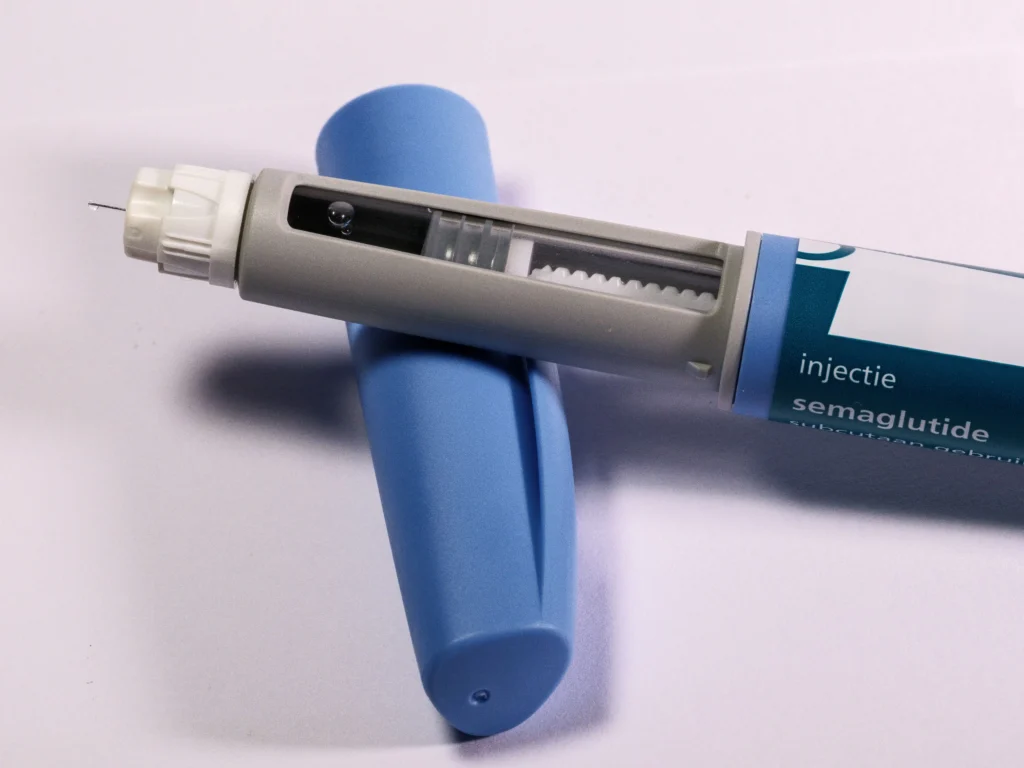
In February 2026, Hims launched a compounded oral semaglutide option at an aggressive price point. Within days, the manufacturer that holds the United States patents on semaglutide filed a patent infringement suit against the company. About a month later, on March 9, 2026, the two sides announced a resolution: the lawsuit was dismissed, Hims agreed to stop advertising and marketing compounded GLP-1 products except where medically necessary, and the platform became a distribution channel for the manufacturer’s branded, FDA-approved semaglutide products instead.
Existing compounded patients were given the opportunity to transition to branded alternatives where a clinician judged that appropriate, with transition notices going out through the spring. Independent trackers reported that the full wind-down was expected to complete around the middle of 2026.
This matters for two reasons. The first is straightforward comparison shopping. If you are weighing Hims against another platform, you are now comparing a branded, manufacturer-supplied product against whatever the competitor offers, and those are not equivalent categories. Compounded preparations are made by licensed compounding pharmacies and are not FDA-approved products; branded medications have been through the agency’s review process. Both are prescribed by licensed clinicians, but the regulatory footing differs, and so does the price.
The second reason is that the wider regulatory environment around compounded GLP-1 medications moved quickly in the same period. Federal regulators issued a substantial batch of warning letters to telehealth companies and online clinics over marketing claims about compounded versions of these medications in early 2026, and patent enforcement activity across the sector expanded well beyond this one case.
Anyone comparing online weight loss programs in 2026 should treat the compounded versus branded question as a live one that may shift again, and should ask any platform directly which category it is dispensing and under what authority.
Hims Weight Loss Reviews: Pros and Cons Worth Weighing
What the platform does well
- Speed and accessibility. Intake to prescription can move quickly, which matters if specialist access where you live is limited or waitlisted.
- A single, familiar platform. Medication management, messaging, refills, and tracking all live in one well-built app.
- Branded, manufacturer-supplied GLP-1 products following the 2026 transition, which removes the regulatory uncertainty that surrounds compounded preparations.
- Multiple medication categories under one roof, including oral and injectable options and non-GLP-1 alternatives for patients who do not qualify for or want a GLP-1.
- Discreet fulfillment and home delivery, which a substantial share of reviewers cite as the deciding factor.
- Potential for meaningfully lower medication costs where commercial insurance and manufacturer savings programs apply.
Where it falls short
- Two-part billing that many customers report misunderstanding, with the ongoing membership fee frequently absent from the advertised price.
- Incomplete public dose-to-price information, which makes it hard to forecast what you will pay once your dose changes.
- Cancellation friction, which is the single most repeated complaint theme across independent review platforms.
- Asynchronous, text-based clinical contact with no routine live consultation, which suits simple cases far better than complex ones.
- Laboratory work not clearly included as a standard benefit, which is a meaningful gap for a medication class that warrants monitoring.
- Availability that varies by state, medication, and pharmacy, so the option you researched may not be the option you are offered.
- A history of regulatory and legal friction in the compounded GLP-1 space that, while resolved for now, is worth knowing about.
Who Hims Is Best Suited For
The service fits a fairly specific profile well, and fits others poorly. Being honest about which one you are will save you money and frustration.
You are likely a reasonable fit if you are comfortable managing your care through an app, your medical history is relatively straightforward, you have limited local access to a clinician who treats obesity, you value speed and privacy highly, and you are able to read subscription terms carefully and track your own renewal dates. If you have commercial insurance that may apply to a branded product, the economics can also work in your favor.
You are likely a poor fit if you have a complicated medical history, multiple interacting medications, or conditions that warrant close monitoring; if you want a live conversation with a clinician before starting a long-term medication; if you want laboratory monitoring built into the price rather than bolted on; or if managing two separate recurring subscriptions is the kind of administrative task you know from experience you will not stay on top of.
There is also a middle case worth naming. Plenty of people looking at GLP-1 programs would be better served by first establishing whether a hormonal, metabolic, or sleep-related factor is contributing to the difficulty they are having. That is a conversation with a provider who orders labs and looks at the whole picture, and it is not what an asynchronous intake form is designed to do.
Questions to Ask Before You Enroll
Whichever platform you choose, these are the questions that separate a clear decision from an expensive surprise.
- What is the total recurring monthly charge, including membership, medication, shipping, and tax, at the dose I am likely to be on three months from now?
- Are the membership and the medication separate subscriptions, and does cancelling one cancel the other?
- What is the exact cancellation window, and how do I get written confirmation that both charges have stopped?
- Is the medication a branded, FDA-approved product or a compounded preparation, and which pharmacy or channel dispenses it?
- Is laboratory work included, and if not, what will it cost and who interprets the results?
- Will I speak to a clinician live at any point, or is all contact asynchronous?
- What happens to my price if my dose is increased?
- Who do I contact if I experience side effects, and what is the expected response time?
A platform that answers all of these clearly before you pay is one you can plan around. A platform that makes you dig for them is telling you something useful.
Considering an Alternative
If the two-part subscription model, the asynchronous-only clinical contact, or the unbundled laboratory work are the parts giving you pause, it is worth comparing against providers that structure things differently. PrescribedRX is one option worth considering. It is a telehealth platform that pairs lab testing with licensed provider oversight and ongoing monitoring as part of a personalized plan, rather than treating evaluation and follow-up as separate purchases. Availability, eligibility, and pricing vary, and any treatment decision is made by a licensed provider following a clinical evaluation.
That is not a recommendation to switch. It is a suggestion to compare like with like: what is included, what is billed separately, whether labs are part of the plan, how monitoring works after the first prescription, and how straightforward it is to stop if you decide the treatment is not right for you.
Final Verdict
Taken as a whole, Hims weight loss reviews describe a service that is genuinely good at the thing it was built for and genuinely frustrating at the thing it was not. The platform is fast, the app is well made, delivery is reliable and discreet, and following the 2026 transition the GLP-1 medications on offer are branded, manufacturer-supplied products rather than compounded preparations. For a healthy adult with a simple medical history who wants convenient access and can manage their own subscriptions, that is a reasonable proposition.
The reservations are real and they are consistent. The advertised price is not the price you pay. The clinical contact is thin. Laboratory monitoring is not clearly built in. Cancellation is the most common thing customers complain about, by a wide margin. None of that makes the service unusable, but all of it makes going in with clear eyes essential.
If you take one thing from this review, make it the arithmetic. Before you enter payment details anywhere, write down the membership fee, the medication charge at your likely maintenance dose, the shipping cost, and the tax, and add them up. Then compare that figure against what else is available to you, including options that include laboratory work and provider monitoring in the base price.
Medical weight management can be a reasonable path for many people, but it is a long-term commitment, and the programs that hold up over a year are the ones whose costs and care standards you understood on day one.
| Ready to Explore a Different Approach? Start your GLP-1 weight management consultation with a licensed provider. Review your labs, understand your options, and make a decision on your own timeline with pricing you can see up front. Looking for an alternative? See PrescribedRX. | Questions before you start? Contact PrescribedRX to speak with the team. |
Related reading
More on medical weight loss:
- Online weight loss guide
- Compounded semaglutide versus tirzepatide
- Best online weight loss programs
- Weight loss clinic near me
- Tirzepatide side effects
- Semaglutide side effects
- Tirzepatide versus semaglutide
- Tirzepatide cost
- Tirzepatide online
- Best weight loss affiliate programs
Plans from PrescribedRX
PrescribedRX prescribes through clinicians licensed in your state. Plans in this category:
Every plan and its current price is on the plans page and the pricing page.
These are compounded preparations. Compounded drugs are not reviewed or approved by the FDA for safety or effectiveness, and treatment outcomes are not guaranteed.
This article is for general information. It is not medical advice and it is not a recommendation for any particular treatment. Whether a treatment is appropriate for you is a decision for a licensed clinician who has reviewed your health history and current medications.
About the author
Juan MontesJuan Montes writes and reviews PrescribedRX's clinical content, covering testosterone replacement therapy, men's sexual health, weight management and hair loss. He trained as a Professional Nurse at the Colombian Red Cross in Cali, Colombia, and has worked in healthcare since 2011, roughly six of those years in direct emergency and critical care nursing. He served as Head Nurse in Emergency…
More from Juan →This article is for information only and is not medical advice. Treatment is prescribed solely at the discretion of a licensed provider following a clinical evaluation.